
AI Advertisement Generator
Instagram ads generator for business
Maxolot is an AI ad generation tool designed for business owners who want to automate the creation of Instagram ad copy and visuals using just a company description and brand info. It creates ready-to-use ad formats — including company intros, brand missions, seasonal offers, webinar announcements, giveaways and lead magnets — without managing multiple fragmented design apps.
Best for: business owners who need promotional creative without planning the concept, writing the copy and designing the post separately.
Create a Free Ad
15 free credits · Up to 10 ads · No credit card required
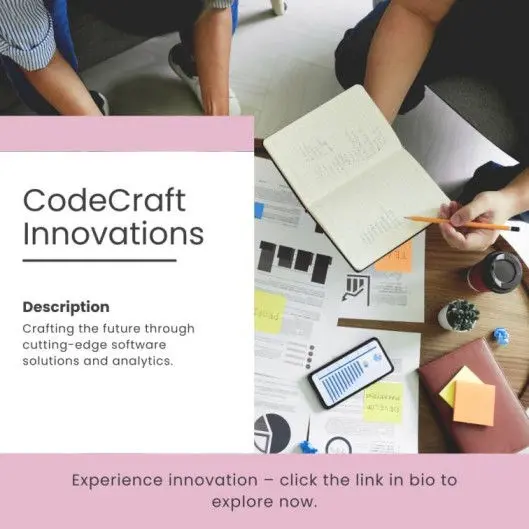
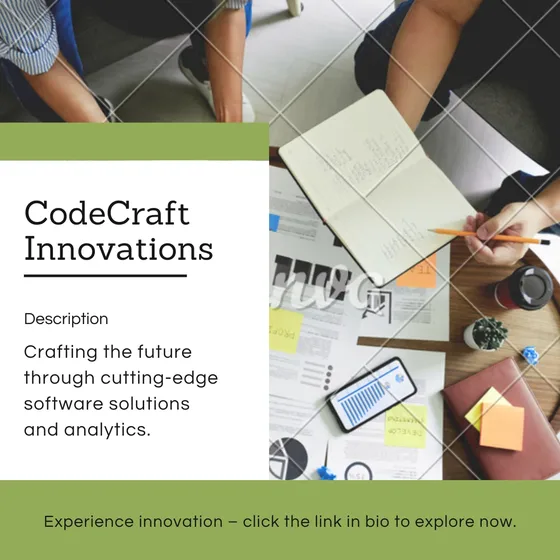
Company introduction creative generated for a business campaign.
Built for business content, not blank prompts
1 brief
Describe the business once
3 outputs
Idea, copy and visual
~30 sec
To ready-to-review creative
15 credits
Up to 10 free ads, no card
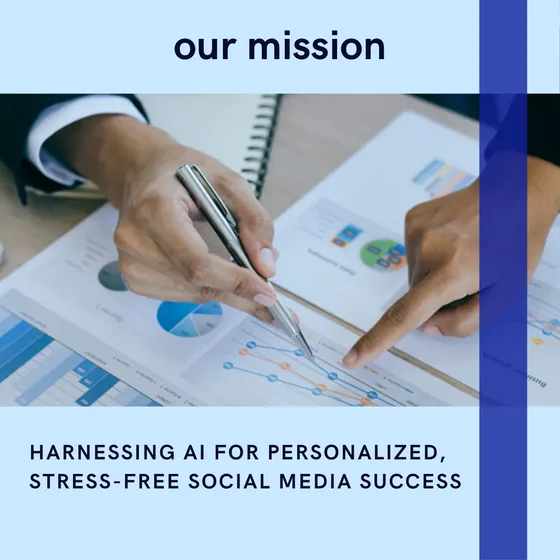

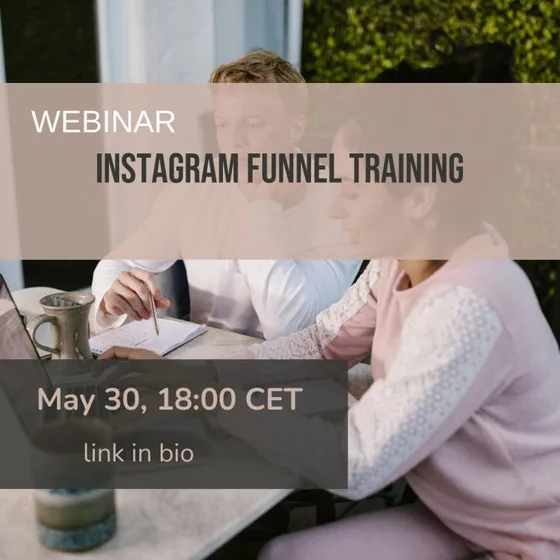
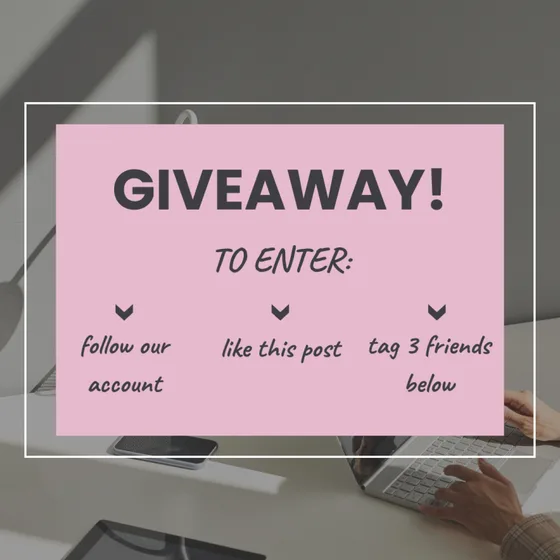
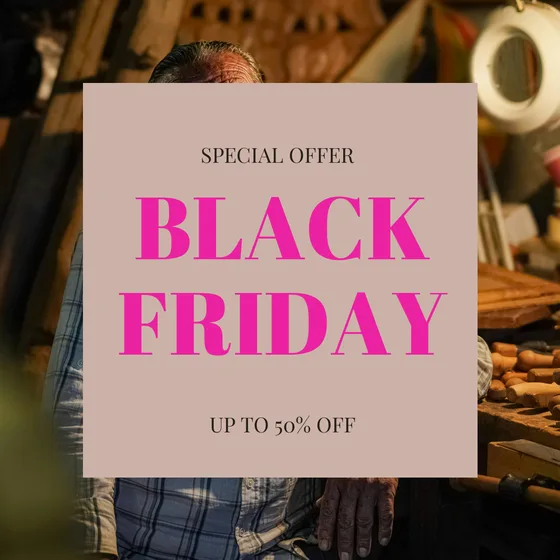
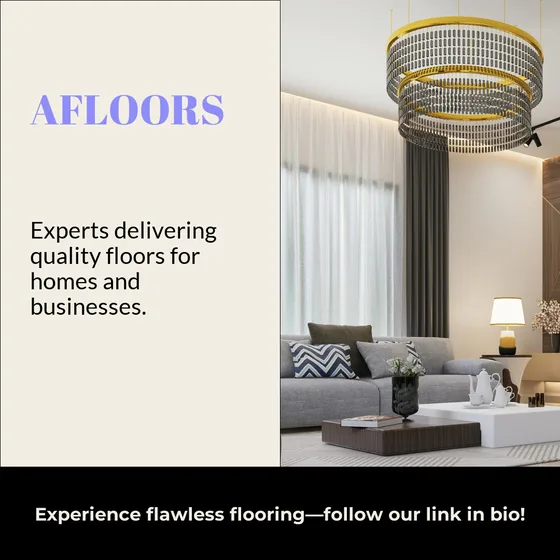
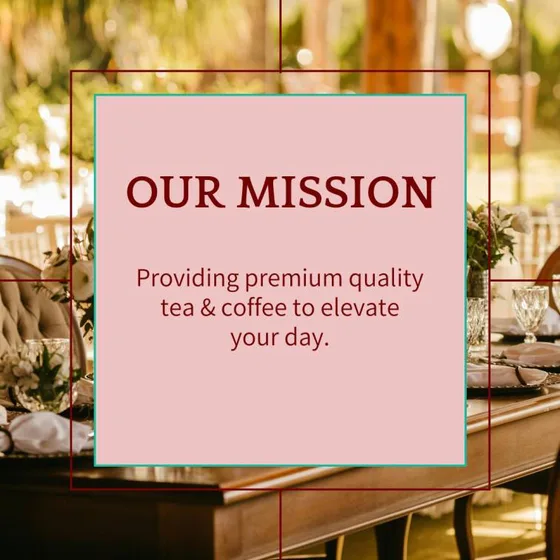

Maxolot's Instagram ads generator creates promotional concepts, messaging and designed social visuals from a business description. It removes the need to select a campaign goal before generation because Maxolot identifies relevant promotional angles itself, while the business remains responsible for approving claims, configuring targeting, setting budget and publishing through the advertising platform.
InputBusiness description
Ad creativeIncluded
CopyIncluded
VisualDesigned and editable
Media buyingNot included
TimeAbout 30 seconds
Step by step
How the AI advertisement generator works
AI advertising works from business context rather than a blank prompt: the workflow starts with your company description and ends with content ready for review and download.
- Step 1
Describe the business
Provide the product, service, audience and business context. A separate campaign-goal selection is not required.
- Step 2
Let the AI advertisement generator create the promotion
Select the ad format — about the company, mission, or lead magnet — and Maxolot generates the message, visual and caption.
- Step 3
Review and launch
Check every claim and call to action, download the creative and configure the paid campaign in the chosen ad platform.
Create a Free Ad
15 free credits · Up to 10 ads · No credit card required
Examples
AI advertising examples: 7 Instagram ad formats
These seven ad formats are the winning ads formula for AI advertising: Maxolot selects the angle from the business context and produces the message and visual for review.
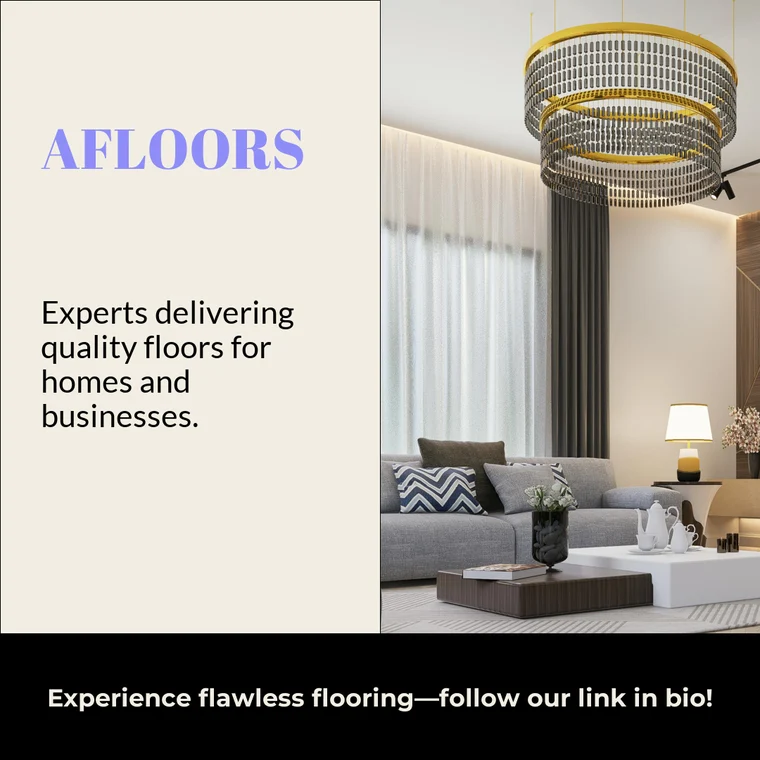
Company introduction
A company post explains what the business does, who it helps and the practical value it provides.
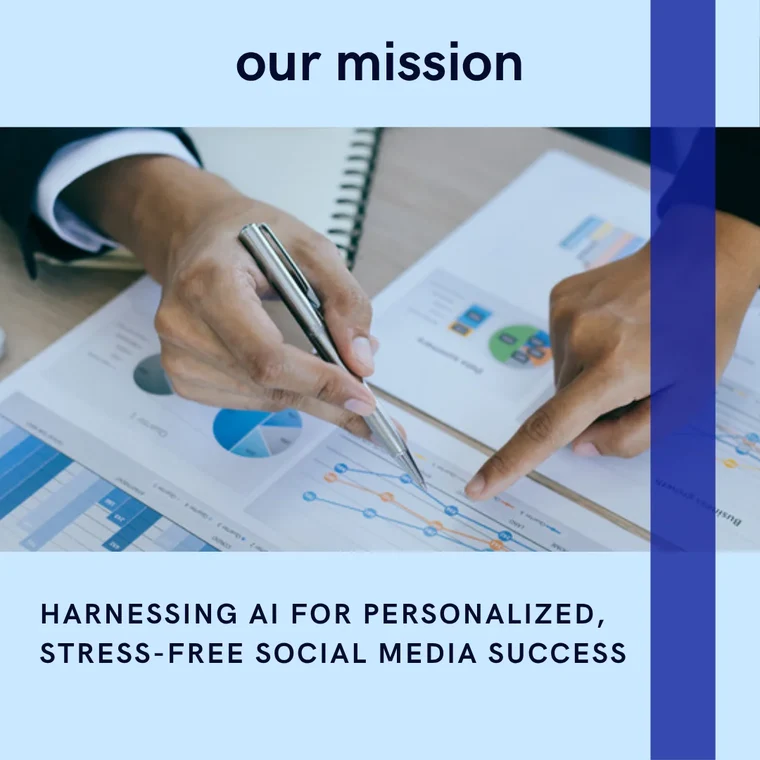
Mission post
A mission post communicates why the business exists and what principle guides its work.

Pain point ad
A pain-point post names the problem the customer already recognises before offering the service that resolves it.

Lead magnet
A lead-magnet post explains what the audience receives and how to request it, here through a comment keyword that triggers the delivery.
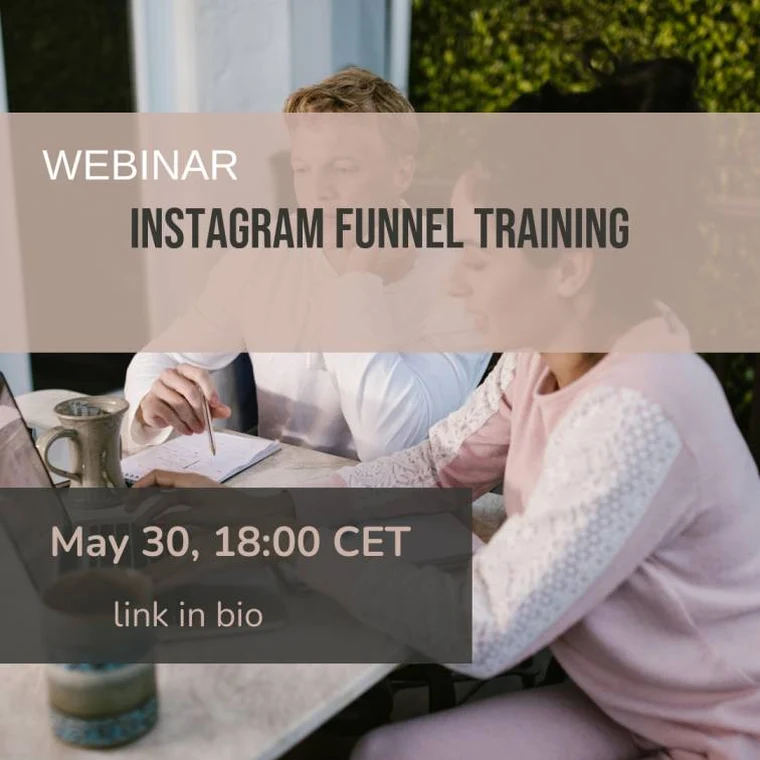
Webinar promotion
A webinar post presents the topic, date and registration action in one promotional creative.
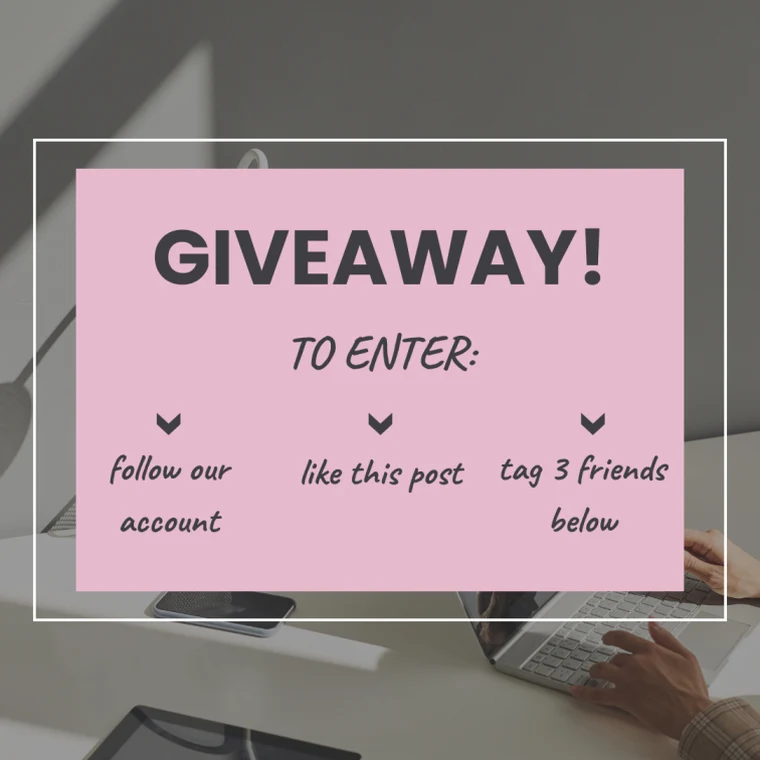
Giveaway announcement
A giveaway post states the prize and the exact steps required to enter.
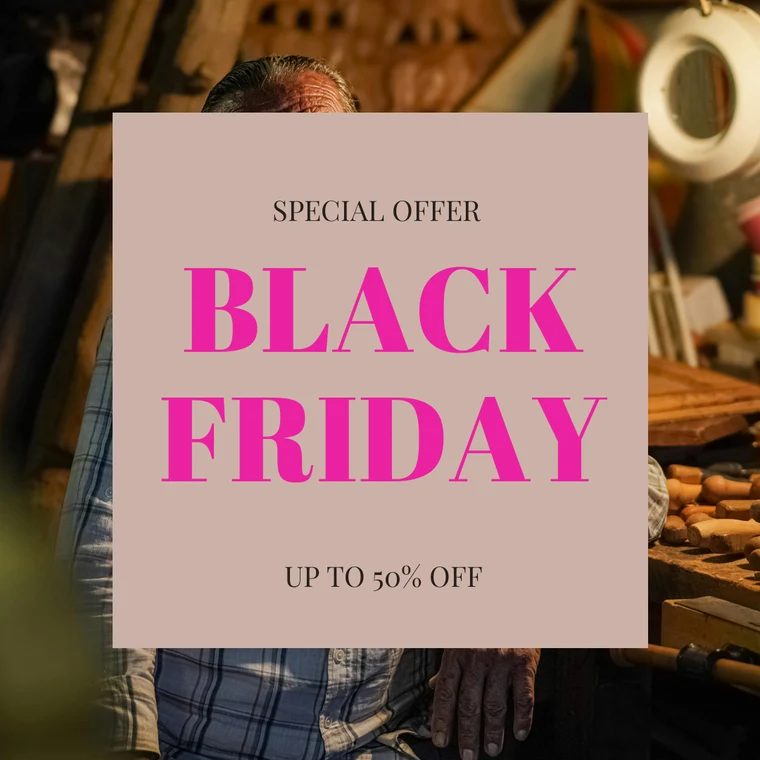
Seasonal offer
A seasonal offer post connects a dated promotion, such as Black Friday, with one clear next action.
Scope
What the AI ads maker does and does not do
Maxolot creates the campaign creative, while the advertising account still controls delivery and measurement.
Maxolot creates
The AI advertisement generator produces the promotional angle, message, visual post and caption from the business description alone.
You approve
The business reviews the offer, claims, dates, pricing, legal requirements and final call to action.
Meta Ads Manager controls
Audience targeting, placement, budget, optimization, tracking and publishing remain inside the advertising platform.
Comparison
Maxolot compared with other AI advertising tools
Most AI advertising tools in this category generate video. Maxolot generates static Instagram ad formats from a business description, which is a different job. This table is about fit, not ranking.
| Maxolot | Creatify | Arcads | AdCreative.ai | Canva | |
|---|---|---|---|---|---|
| Primary output | Static Instagram ad posts and captions | UGC-style video ads | UGC-style video ads with AI actors | Static ad creatives and banner sets | Templates you design yourself |
| Input required | A business description | Product URL or script | Script or product details | Brand assets and product inputs | Your own copy and layout choices |
| Topic supplied by the tool | Yes — formats and angles are suggested | No — you supply the concept | No — you supply the script | Partly — from brand inputs | No |
| Ad formats covered | Company intro, mission, pain point, lead magnet, webinar, giveaway, seasonal offer | Video ad variations | Video ad variations | Display and social ad sizes | Any, if you build it |
| Design skill needed | None | None | None | Low | Moderate to high |
| Best suited to | Small businesses needing static social ads without a brief | Ecommerce video ad testing | Performance teams running video UGC at volume | Teams running paid display and social at scale | Anyone who wants full manual control |
The practical split is video versus static, and brief versus no brief. Creatify and Arcads produce video ads and expect you to arrive with a concept or script. AdCreative.ai works from brand assets and suits paid teams running display at volume. Canva gives complete control and expects you to design. Maxolot suggests the ad format and angle from a business description and returns a finished static post, which matters most when nobody on the team is writing a creative brief.
Generate your first ad from a business description in about 30 seconds.
Start Free
15 free credits · Up to 10 ads · No credit card required
Practical guidance
AI advertisement generator best practices
These checks improve clarity, relevance and usefulness before the content is published.
Use one clear offer
The creative should focus on one product, service, event or lead magnet rather than several competing actions.
Connect problem and outcome
The first message should show why the promotion matters to the intended customer.
Match the landing page
The promise, terminology and call to action should remain consistent after someone clicks.
Test real variations
Change the message, visual angle or proof point between versions instead of making cosmetic duplicates.
Playbook
How to use Maxolot AI-generated commercials
Five practical ways to get more out of AI advertising before spending on paid reach.
Use AI advertising across channels
The same generated creative works on Instagram, Facebook, LinkedIn and Pinterest, so one ad format can cover several placements.
Generate several creatives and test
Produce multiple ad variations, run them, and see exactly what is converting in your industry right now instead of guessing the angle.
Try non-ad formats
Leads from Instagram do not always come from a traditional advertisement. Hooks and pain-point posts grab attention in a more native way.
Test different design styles
Generate the same message across several assets. Maxolot offers 12 customizable design styles, from classic and pastel to modern.
Create in bulk
Use bulk content creation to generate seven ad creatives at once, then shortlist the strongest before publishing.
Lower-cost route
Alternative to running an Instagram ad
Boosting a post that already performs organically is usually cheaper than launching a new advertisement from scratch.
Select a top-performing post
Open Instagram Insights and find the post with the strongest reach, saves and shares over the last few weeks.
Publish and let it earn engagement
Post it organically first and give it a few days to collect likes, comments and saves from the existing audience.
Boost the winner
Put budget behind the post that already proved itself, so paid reach amplifies a message the audience has responded to.
Maxolot experiments
How to do Instagram ads for free
Getting clients without ad spend is possible even with a small following. On a Maxolot test account of roughly 1,000 followers, individual posts sent 4 to 20 percent of the accounts reached to the profile bio, and up to 60 percent of viewers on the strongest post.
AI advertising is not the only route to leads, and the organic mechanism is simple. A post earns attention, the reader taps through to the profile, and the bio carries the offer and the link to the website, store or contact action. Well-structured posts do produce bio visits, so the bio has to be treated as the landing page rather than an afterthought. Simple designs consistently outperformed complex creatives in these tests.
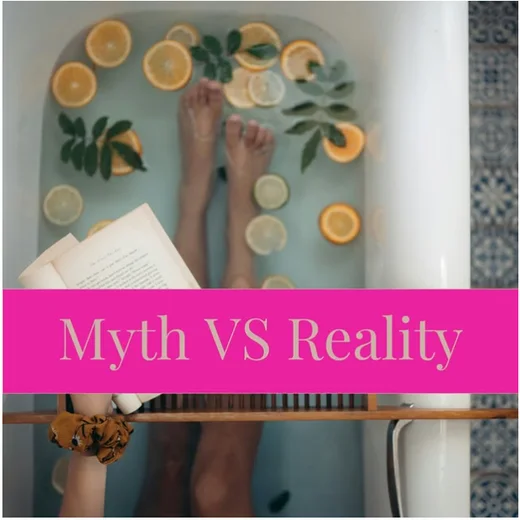
Myth vs reality
Corrects a belief the audience already holds, which invites a profile visit to check who is making the claim.
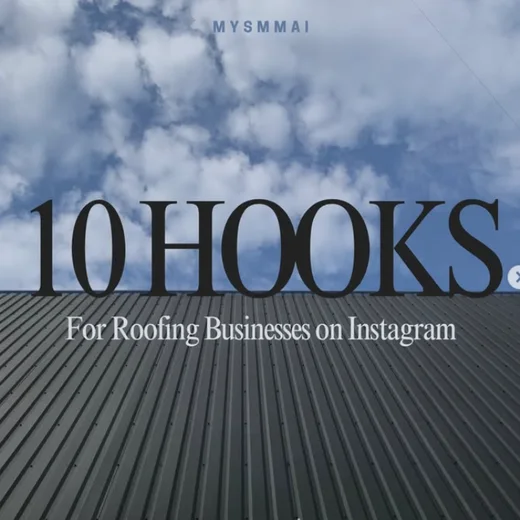
How-to carousel guides
Practical, saveable instruction. Readers who save a guide frequently return to the profile afterwards.
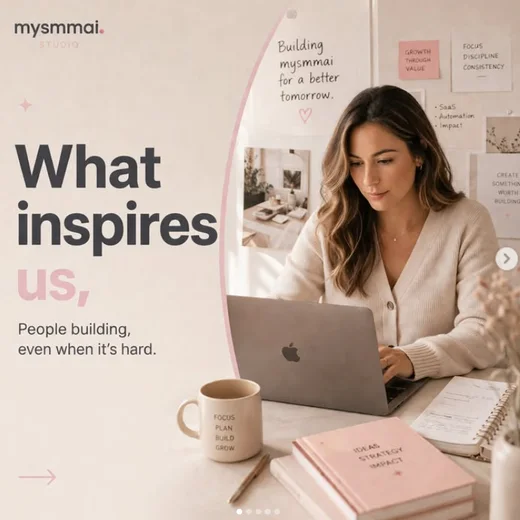
Photo with inspiration
A finished result paired with a short line. Works especially well for visual trades and services.
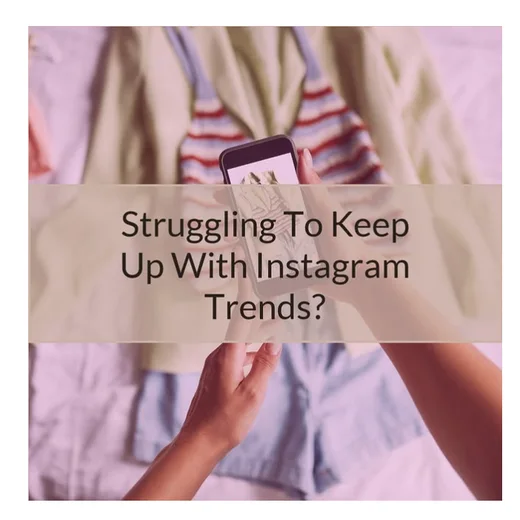
Pain point
Names the problem the customer already recognises, without promoting anything directly.
None of these four formats is a promotional advertisement, yet each creates interest and produces leads. They also travel well to Pinterest: a set of 10 hooks made for a roofing business has sent 63 visitors to the landing page, and one giveaway template passed 8,000 impressions on Pinterest in a single month while generating steady traffic. The strongest results come from combining paid ads with this organic lead generation rather than choosing between them.
Test data
Honest review of Maxolot ad effectiveness
This is what a dormant account produced with almost no effort. Account used: 1,500 followers, no regular posting schedule, no engagement routine, mixed audience of small business owners. Every post and caption below was created by Maxolot and published as-is: no boosting, no engagement work, no posting cadence. There is nothing here you could not repeat tomorrow.
| Creative | Post | Format | Views | Accounts reached | Profile visits | Bio-visit rate |
|---|---|---|---|---|---|---|
 | Struggling to keep up with Instagram trends? | Pain point | 30 | 10 | 2 | 20.0% |
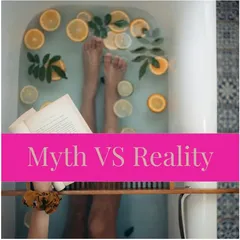 | Myth vs Reality (bath) | Myth vs reality | 63 | 23 | 3 | 13.0% |
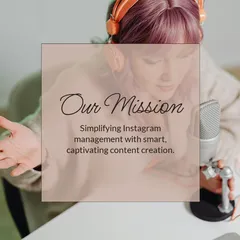 | Our Mission | Mission post | 69 | 23 | 2 | 8.7% |
 | Quiz Time! | Interactive question | 93 | 24 | 2 | 8.3% |
 | Myth vs Reality (hat) | Myth vs reality | 52 | 21 | 1 | 4.8% |
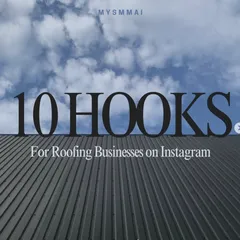 | 10 Hooks for Roofing Businesses | How-to carousel | 142 | 74 | 3 | 4.1% |
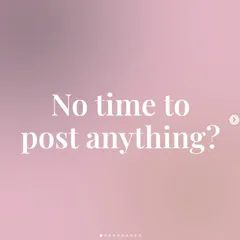 | No time to post anything? | Pain point | 63 | 5* | 3 | 60.0% |
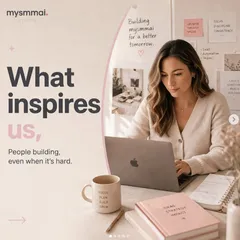 | What inspires us | Photo with inspiration | 70 | 5* | 1 | 20.0% |
| Eight posts combined | 185 | 17 | 9.2% | |||
Across eight posts the bio-visit rate ranged from 4.1 to 60 percent, with a combined rate of 9.2 percent. For the two posts marked with an asterisk Instagram reported Viewers rather than Accounts reached, a smaller denominator, so those two rates are not directly comparable with the rest. The absolute numbers are small because the account is small and nothing was done to help it, and that is the point. This is the floor, not the ceiling: no budget, no consistency, no community management, and posts still sent people to the bio. The ones that performed best were the simplest designs and the least promotional formats. Follows were zero on every post, which is a reminder that profile visits, not follower growth, are the metric that leads anywhere.
The same posts on Pinterest
Instagram posts made with Maxolot were republished as Pins with no redesign and no paid distribution.
| Metric | Result | Rate |
|---|---|---|
| Impressions | 389,210 | — |
| Total audience | 276,940 | — |
| Engagements | 10,080 | 2.6% of impressions |
| Engaged audience | 8,630 | 3.1% of audience |
| Saves | 752 | 0.19% of impressions |
| Outbound clicks | 112 | 0.029% of impressions |
Pinterest behaves differently from Instagram. Reach is far larger and costs nothing extra, because the same creative keeps surfacing in search long after it is published, but the click-through rate to a website is much lower. The honest reading is that Pinterest is a discovery and saves channel: 752 saves means the content was worth keeping, while 112 outbound clicks over the same period is modest traffic. Republishing costs nothing, so it is worth doing, but it is not a substitute for the bio-visit route on Instagram.
Single pin example. One giveaway creative, "Aesthetic Giveaway Post", recorded 8,150 impressions, 162 pin clicks and 17 saves in its last 30 days — a 2.0 percent pin click rate. Pin clicks open the Pin itself rather than the destination site, which is why they run far ahead of the 112 outbound clicks across the whole account.
What worked in AI advertising
Posts that were easy to take in at a glance, with a readable font size and calm, non-aggressive colours. The simplest layouts produced the highest bio-visit rates in this test.
What did not work
Quote posts, cramped or inconsistent formatting, and type set too light or too small. These were seen but did not give anyone a reason to tap through to the profile.
What this implies for boosting
At the rates above, a post reaching 10,000 accounts instead of 20 would send hundreds of people to the bio. Boosting a post that already converts organically is cheaper per visit than running a cold ad straight to a website, because the creative has already been validated on a live audience.
Single post, measured
One Instagram post, 30 seconds to create, 63 website visitors
The post was generated with Maxolot, published to Instagram, and automatically reshared as a Pinterest pin. No redesign, no reformatting, no paid promotion.
| Metric | Result | Rate |
|---|---|---|
| Impressions | 4,030 | — |
| Pin clicks | 148 | 3.7% of impressions |
| Saves | 31 | 0.77% of impressions |
| Outbound clicks to the website | 63 | 1.6% of impressions |
Sixty-three website visitors from one pin. The creative took about 30 seconds to generate, and nothing was done to it afterwards: no redesign, no ad spend, no ongoing work. The pin outperforms the account average because it answers a specific question for a specific trade, which is exactly the kind of content Pinterest keeps surfacing in search.
What that traffic would have cost. Kampaio puts the average cost per click for B2B SaaS on Google Ads at USD 5.34 (B2B SaaS Google Ads Benchmarks 2026). At that rate the same 63 visitors bought through paid search would have cost roughly USD 336. The pin cost nothing beyond the 30 seconds it took to generate, and it keeps working after publication rather than stopping when a budget stops. Paid search clicks and organic Pinterest visitors differ in intent, so treat this as a cost comparison rather than a like-for-like swap.
What Meta reports about creative variety
Meta reports that campaigns using diverse creative across formats and messaging types saw up to a 32% improvement in cost per action and a 9% increase in reach. The finding supports testing genuinely different messages and visuals, but it does not guarantee a result for an individual campaign. Maxolot creates the variations; campaign setup and measurement remain in the ad platform. Read Meta creative optimization report.
External research describes aggregate findings. It does not guarantee performance for an individual account or campaign.Create content for your business, then review it before publishing.
Create a Free Ad
15 free credits · Up to 10 ads · No credit card required
Questions
Frequently asked questions
What does the Instagram Ads Generator create?
Maxolot creates a promotional concept, message, designed social visual and caption from the business description.
Do I need to select a campaign goal first?
No. Maxolot identifies relevant promotional angles from the business context rather than requiring a separate goal selection before generation.
Does Maxolot run or publish the ad?
No. Targeting, budget, tracking, approval and publishing remain in the advertising platform.
Can Maxolot create webinar and lead-magnet promotions?
Yes. Webinar, lead-magnet, mission, company and value-proposition posts are supported promotional directions.
Should I review advertising claims?
Yes. The business must verify every claim, offer, price, date and legal requirement before publishing.
What is an AI advertisement generator?
An AI advertisement generator creates promotional assets — social visuals, ad copy and campaign text — from a business description rather than from a blank prompt. You enter what the business does, and the tool returns ready-to-review creative instead of requiring you to design each asset and write each line yourself.
Can I create ads for social media with AI?
Yes. The same generated creative works on Meta (Facebook and Instagram), TikTok and Pinterest. Maxolot produces the layout, caption and hook; each platform's own ads manager still handles targeting, budget and publishing.
Is Maxolot free?
Maxolot has a free trial rather than a free product. New accounts get 15 free credits, enough for up to 10 ads, with no credit card required and no watermark on any download. Continued use is paid.
How do I create a carousel ad in Meta Ads Manager?
In Meta Ads Manager, choose your objective, select the Carousel format at the ad creative level, then add between 2 and 10 image or video cards. Maxolot produces the cards; the sequencing and publishing happen in Ads Manager.
What are the ideal specs for Meta carousel ads?
Square images at 1080 × 1080 pixels, a 1:1 aspect ratio, a maximum file size of 30 MB per image, and primary text under 125 characters so it is not truncated on mobile. Maxolot exports at 1080 × 1080 by default.
Which carousel structure works best for Facebook ads?
A hook or problem statement on the first card, sequential features or a before-and-after progression across the middle cards, and one clear call to action on the last card.
How can I increase Instagram reach without ads?
Post formats people save and return to — carousels, myth-versus-reality posts and pain-point posts — and treat the bio as the landing page. In the test data above, a dormant account sent 4 to 20 percent of accounts reached to the profile using exactly these formats.
How can I grow followers on Instagram without ads?
Consistent posting, replying in your own comments, niche-specific keywords in captions, and collaborations with complementary local accounts. Worth noting: in our own test, follows were zero on every post while profile visits were not. Visits are the metric that leads somewhere.
Are Instagram ads worth it for small businesses?
They can be, because targeting lets a small budget reach a specific local or niche audience. The cheaper first step is usually boosting a post that has already earned engagement organically, since the creative has been validated before any money is spent.
How much do Instagram ads cost?
Instagram uses flexible bidding, so you set a daily or lifetime budget and can start with a few dollars a day. For comparison, average cost per click in B2B SaaS on Google Ads is around USD 5.34 according to Kampaio's 2026 benchmarks.
How do I get roofing leads from Instagram?
Post local project transformations and pain-point posts about storm damage or wear, then link from the bio to a single landing page with one form. One roofing hooks carousel in our test sent 63 visitors to the website from Pinterest alone.
What is the difference between AI advertising and a traditional ad agency brief?
AI advertising generates the concept, copy and visual from your existing business description in about 30 seconds, so the first draft costs nothing and can be regenerated as often as you like. An agency brief produces stronger strategic positioning but takes days and carries a minimum fee. Most small businesses use AI advertising for volume and testing, then bring in an agency once they know which angle converts.
What types of hooks work best for ads?
Hooks that name the audience, state a problem the reader already recognises, or open with a surprising result. In our test the plainest pain-point post outperformed every polished design on the sheet.
From business description to promotional creative.
Let Maxolot create the angle, message and visual, then review the result before launching the campaign.
Create a Free Ad 15 free credits · Up to 10 ads · No credit card required