
Myth vs Fact Post
Turn one industry misconception into a clear Instagram post
Maxolot creates Myth vs Fact Instagram posts that present a familiar misconception, replace it with accurate information and explain why the correction matters. The result can be generated as a single post or carousel with designed visuals and a caption in about 30 seconds.
Best for: businesses that need educational content to answer misconceptions, reduce confusion and demonstrate practical expertise.
Create a Myth vs Fact Post
15 free credits · Up to 10 posts · No credit card
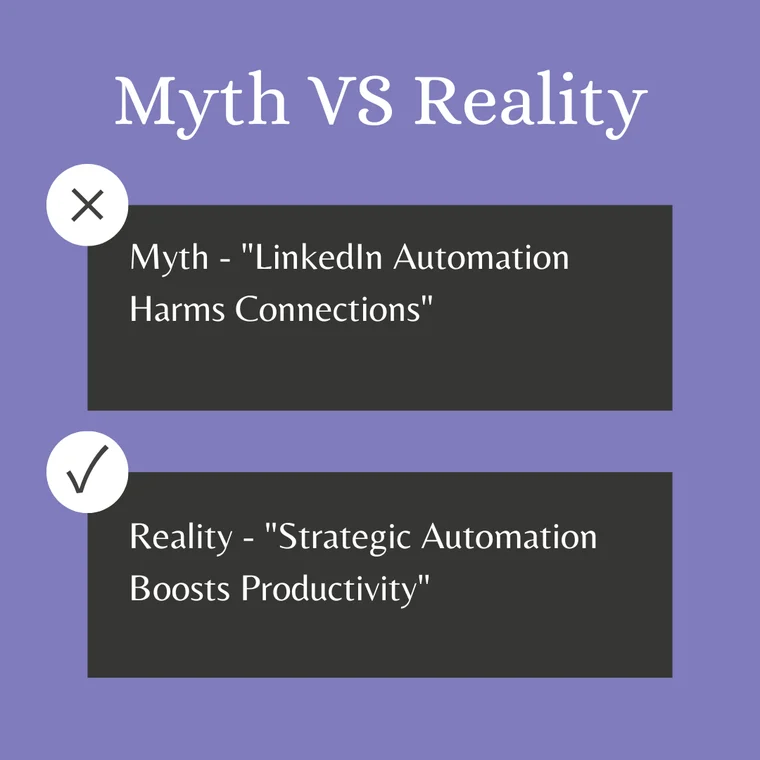
A Myth vs Fact post created with Maxolot in about 30 seconds.
Built for business content, not blank prompts
~30 sec
To create a ready-to-review post
2 formats
Single post or carousel
1 correction
One focused takeaway per post
15 credits
Up to 10 free posts, no card
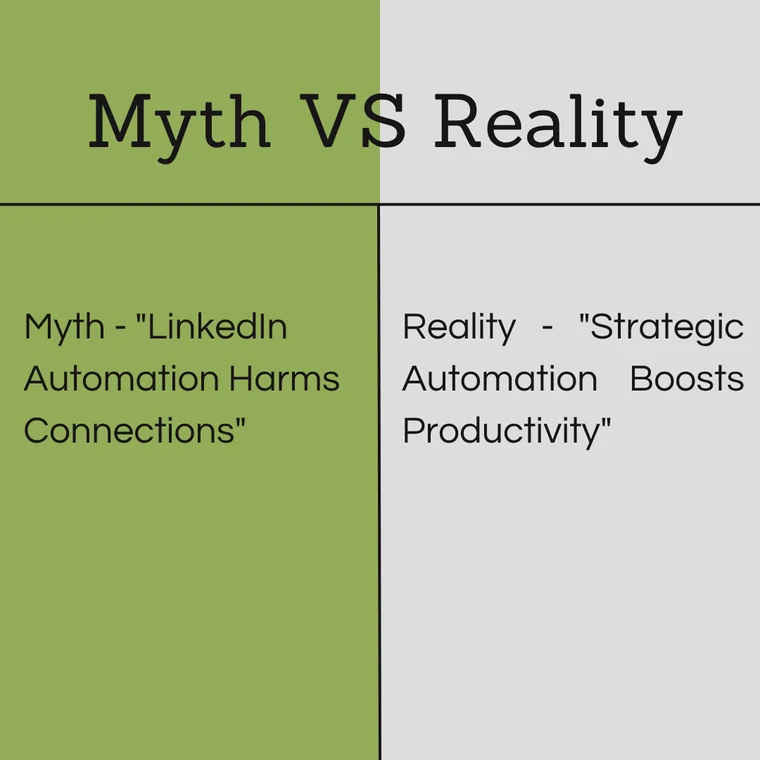
Examples of Myth vs Reality posts created by Maxolot
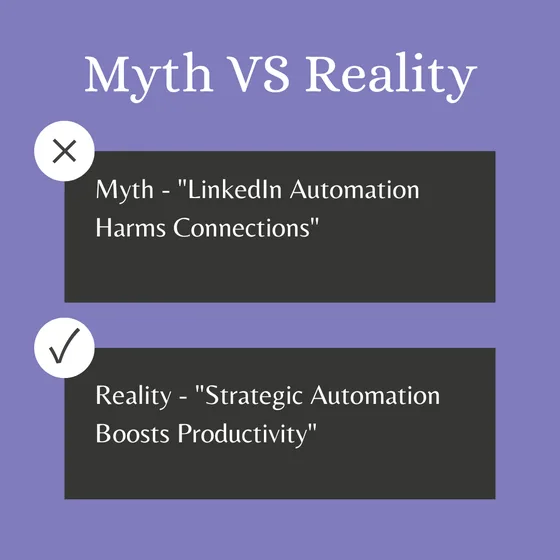
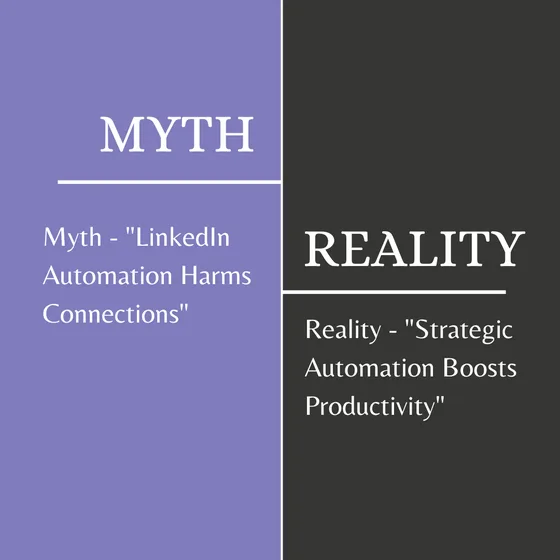

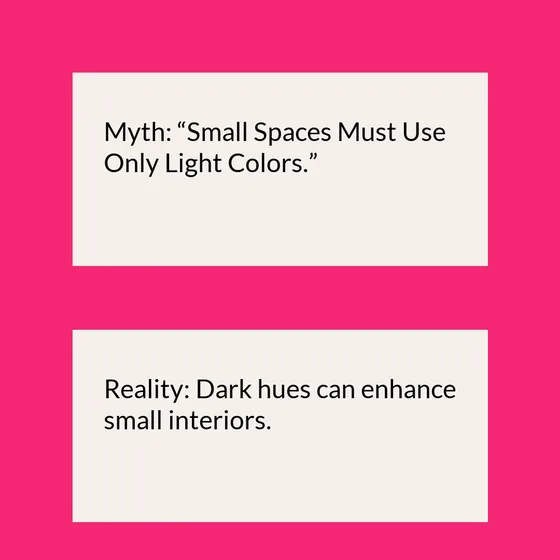

These posts were created from a business description alone — no prompt, no image and no design skills required.
A Myth vs Fact post is an educational social post that places a common misconception beside accurate information and explains the practical difference. Maxolot uses the business context to create the myth, correction, designed visual and caption, while the business remains responsible for checking factual and regulated claims before publishing.
PurposeCorrect a misconception
StructureFact or reality, myth, explanation
FormatsSingle post or carousel
InputBusiness context
ReviewFacts must be verified
TimeAbout 30 seconds
How to use it
How to use Myth vs Reality posts
Three ways to put the format to work. Each one needs the correction to be useful, specific and backed by a source the audience can trust.
Use it to answer a buying objection
A misconception often delays a purchase or enquiry. A direct correction can explain what the customer should consider instead.
Use it to demonstrate expertise
A business can show how it evaluates claims, trade-offs and evidence without turning the post into a sales pitch.
Use it to create saveable education
A concise correction gives followers a reference they can save and revisit when making a decision.
Why this format
Why do you need a Myth vs Fact post?
Because the thing stopping a follower from buying is usually not price. It is a belief they already hold, and nobody has corrected it for them.
Most people who follow a business are not undecided about price. They are carrying a specific assumption — that the service takes too long, that the product will not suit their situation, that the cheaper option does the same job. That assumption sits quietly between them and the enquiry, and it never appears in a comment or a DM.
A Myth vs Fact post addresses it directly. It names the belief, replaces it with accurate information, and explains why the difference matters for the decision the reader is actually making. That is why the format converts: it removes the objection before anyone has to raise it out loud.
It also earns saves. A correction someone half-suspected was true is worth keeping, and a saved post returns to the feed at the moment that person is ready to act.
Generate a Myth vs Fact post for your business from a short description.
Create a Free Post Ideas
Myth vs Fact post ideas by business goal
The strongest topics correct beliefs that influence a real customer decision.
Price myth
Correct a belief about what determines price, then explain the factors that actually change the quote.
Timeline myth
Clarify how long a service normally takes and what can extend or shorten the process.
Results myth
Replace an unrealistic outcome with a credible expectation and the conditions that affect it.
Maintenance myth
Correct a common care mistake and give a safer or more effective alternative.
Eligibility myth
Explain who a product or service may suit and when professional advice is needed.
Process myth
Show what actually happens during the service instead of relying on a popular assumption.
Four design collections, one Myth vs Fact structure.
Step by step
How Maxolot creates this content
The workflow starts with the business context and ends with content ready for review and download.
- Step 1
Describe the business
Give Maxolot the service, audience and tone so the topic is relevant to the account.
- Step 2
Choose Myth vs Fact
Select the educational content group and choose the Myth post type.
- Step 3
Verify, edit and download
Check every factual claim, edit wording where needed and download the visual and caption.
Create a Myth vs Fact Post
15 free credits · Up to 10 posts · No credit card
Correct one misconception this week and watch what it does to your saves.
Start Free
15 free credits · Up to 10 posts · No credit card required
Content planning
How to include Myth vs Fact in your content plan
One myth correction per week is usually enough. It works best when the days around it set the belief up and follow it through.
Myth vs Fact in a local service week
- Monday: customer FAQ — surface the question people actually ask
- Wednesday: Myth vs Fact post — correct the belief behind it
- Friday: project example — show the correction proved in real work
- Sunday: enquiry CTA
Myth vs Fact in a coaching week
- Monday: framework or principle
- Wednesday: Myth vs Fact post — correct the limiting belief
- Friday: client lesson that demonstrates it
- Sunday: call CTA
Myth vs Fact in a clinic week
- Monday: treatment fact
- Wednesday: Myth vs Fact post — evidence-led correction
- Friday: safety FAQ or preparation advice
- Sunday: consultation CTA
The pattern matters more than the day. Raise the question, correct it mid-week when engagement is highest, then prove the correction with real work before asking for anything. A myth post published alone, with nothing before or after it, reads as an opinion. The same post inside this sequence reads as expertise.
Practical guidance
Best practices
These checks improve clarity, relevance and usefulness before the content is published.
Lead with accurate information
Open with the fact the audience should remember before introducing the misconception.
Mention the myth once
State the misconception briefly and avoid repeating it throughout the post.
Explain the reasoning
A correction is more useful when it gives the reader a clear explanation or alternative model.
Link the source
Add the supporting source in the caption when the topic involves health, finance, safety, regulation or measurable claims.
Maxolot applies these checks to the draft, so the myth is stated once and the correction leads.
Create a Free PostWhat misinformation research says about corrections
The Debunking Handbook 2020, written by 22 misinformation researchers, concludes that corrections often work but false information can continue to influence reasoning after correction. Its practical guidance supports leading with accurate information, warning before the myth, explaining the problem and restating the fact. Maxolot can structure the post, but the business must verify the evidence. Read Debunking Handbook 2020.
External research describes aggregate findings. It does not guarantee performance for an individual account or campaign.Create content for your business, then review it before publishing.
Create a Myth vs Fact Post
15 free credits · Up to 10 posts · No credit card
Questions
Frequently asked questions
What is a Myth vs Fact Instagram post?
A Myth vs Fact post is an educational post that corrects one misconception with accurate information and a practical explanation.
Can Maxolot create a carousel version?
Yes. Maxolot can structure Myth vs Fact content as a single post or a multi-slide carousel.
Does Maxolot verify every factual claim?
No. The business must verify claims and sources before publishing, especially for regulated or high-stakes topics.
What makes a good Myth vs Fact topic?
A good topic corrects a belief that affects a customer decision, action or expectation.
How long does creation take?
Maxolot can create the draft visual and caption in about 30 seconds.
Correct one myth clearly.
Create an educational visual and caption, then verify the facts and publish with confidence.
Create a Myth vs Fact Post 15 free credits · Up to 10 posts · No credit card