
Instagram Marketing Strategy
A practical plan for small businesses, not a 70-page theory doc
Most Instagram strategy guides are long on platform history and short on what to actually do this week. This one isn't: content pillars, a posting cadence you can sustain, the full format mix (including when to finally trial Reels), and how each piece connects to the next post you publish.
Try for Free — Start Posting →10 free posts · No credit card · No watermark · Ready in under a minute
Loved and trusted by 1,500+ small business owners

Short summary
An Instagram marketing strategy for a small business comes down to eight decisions: pick 4-6 content pillars, use the full format mix instead of only photos, trial Reels even if you've never made one, set a posting cadence you can actually sustain, write captions built to convert, use a small relevant hashtag set, connect each pillar to a funnel stage, and engage consistently instead of only posting. Nothing here requires an agency, a big budget, or daily effort — it requires a plan you follow for more than two weeks, and an Instagram post maker to keep execution from becoming the bottleneck.
Most guides to this topic are long because they're written to rank, not to be used. This one is built to be worked through once, bookmarked, and revisited every few months as your business changes.
1. Choose your content pillars
A content pillar is a recurring theme you post around, so you're never deciding what to post from a blank page. Most small businesses do well with 4 to 6 pillars, weighted so most posts offer value or connection and a smaller share is direct promotion — a common starting ratio is roughly 80/20.
Educational
Tips, comparisons, mistakes to avoid — anything that teaches your audience something they'll use.
Behind the scenes
The process, the workspace, the people — this builds trust faster than any polished post.
Social proof
Reviews, results, tagged mentions — let someone else make the case for you.
Promotional
Offers, launches, restocks — kept to a minority share of the feed.
Engagement
Polls, questions, quizzes — content built to get a response, not just a view.
Personal & brand
Why you started, what you believe, what's changed — the reason a feed feels like a person, not a catalog.
Need the specific post ideas to fill each pillar? See 60 Instagram post ideas organized by pillar.
2. Use the full format mix
A feed that's only single photos is leaving reach on the table. Instagram's algorithm and audience both respond to variety — each format has a job it does better than the others.
Single photo
Best for a quick, self-explanatory idea — a product shot, a quote, a before/after in one frame.
Carousel
Best for steps, lists, or comparisons — carousels consistently get longer time-on-post. See Instagram carousels.
Text post
Best for one sharp insight that doesn't need a photo. See Instagram text posts.
Story
Best for anything time-sensitive, interactive or behind-the-scenes. See Instagram Stories.
What this looks like in practice
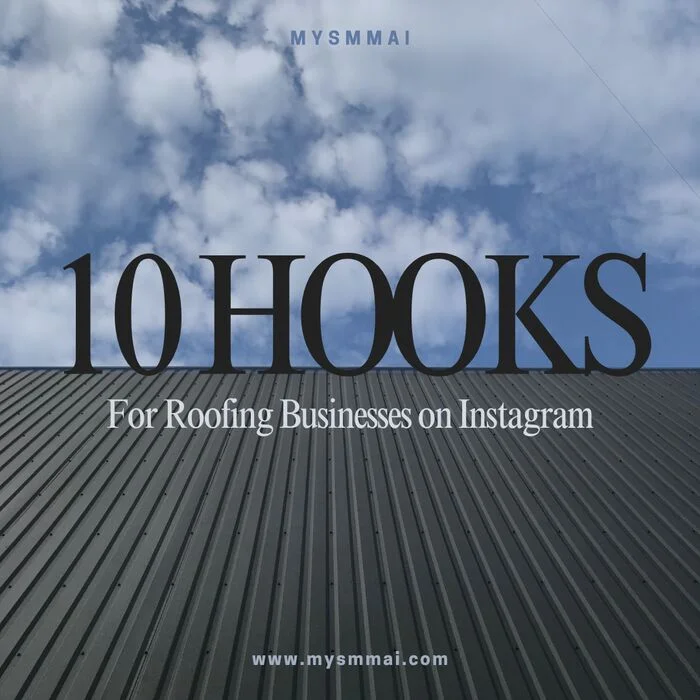


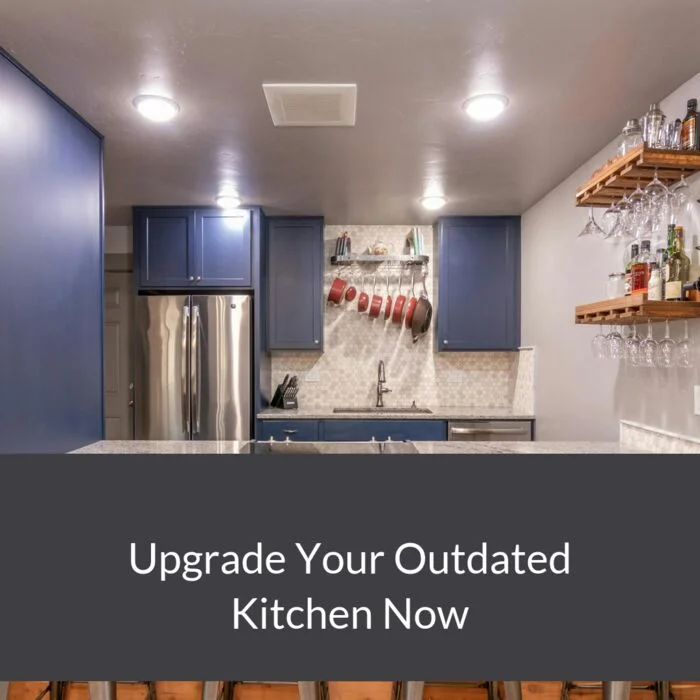
3. Trial Reels — even if you've never made one
Reels get distributed to non-followers more than any other format, which makes them the fastest way to reach people who don't already know your business. You don't need to become a video creator overnight — you need to trial it long enough to see if it works for you.
Start small: a text-over-photo slideshow set to trending audio, a 10-second process clip, or a simple before/after. Post one a week for four weeks before judging the format. Most small businesses that "tried Reels and it didn't work" tried it twice.
Low-effort start
A slideshow of 3-5 photos with text overlays and a trending audio track — no filming required.
Process clip
10-20 seconds of the work happening — prepping, building, finishing a job.
Before/after
A quick cut between the starting point and the result — works for almost any service business.
4. Set a posting cadence you can actually sustain
Consistency matters more than raw frequency. A schedule you keep for six months beats an ambitious one you abandon after three weeks.
| Format | Suggested cadence | Why |
|---|---|---|
| Feed posts | 2-4 per week | Enough to stay visible without becoming a production burden |
| Stories | 3-5 per week | Lower effort, higher frequency — keeps the account feeling active between feed posts |
| Reels | 1-2 per week | Enough to give the format a fair trial without crowding out everything else |
| Engagement (replies, comments) | Daily, 10-15 min | The algorithm and the audience both reward accounts that respond |
If two posts a week is genuinely the ceiling for now, two consistent posts a week beats a burst of ten followed by a month of silence.
5. Write captions that convert
The caption is where a scroll-past becomes a comment, a save, or a click. It needs a hook in the first line and one clear next step.
Hook first
The first line has to earn the tap on "more" — a question, a bold claim, or a specific number works better than a generic opener.
One clear idea
A caption trying to say five things says nothing memorably. Pick the one point that matters for this post.
A real call to action
Comment, save, share, or click — tell people what to do next instead of leaving it implied.
Match length to the post
Self-explanatory photo → short caption. Teaching something → longer caption. See length guidance below.
For the full set of hook formulas and caption structures, see Instagram captions: hooks, formulas & free examples, or browse 99 ready-to-use captions by industry.
6. Hashtags & discovery
Hashtags still support discovery in 2026, though less than in earlier years — Instagram's algorithm now leans more on engagement signals and less on tags alone. A small, genuinely relevant set of 3-8 hashtags outperforms a maximum-volume list of 30.
Mix specificity: one or two broad tags for your category, a few niche tags for your exact service or product, and a local tag if you serve a specific area. Skip anything irrelevant just because it's popular — it brings the wrong audience, not more of the right one.
7. Build the funnel — connect pillars to outcomes
A content pillar system only turns into business results if each pillar maps to a stage a follower moves through, from first seeing your account to actually becoming a customer or trial signup.
Awareness
Educational and behind-the-scenes posts are what a stranger sees first — they need to be useful or interesting on their own, with no ask attached.
Trust
Social proof and personal/brand posts do the work of turning a follower into someone who believes you're credible.
Action
Promotional posts and clear CTAs convert that trust into a click, a booking, or a free trial signup — this is the smallest share of the feed but the reason the rest exists.
Concretely: the bio link, every "link in bio" mention, and every promotional caption should point somewhere specific — a booking page, a product page, or a free trial. If you're using Maxolot to run this feed, that destination is your Instagram post generator's free trial itself.
8. Engage consistently, not just post
Posting is half the strategy. Replying to comments and DMs within a few hours, commenting genuinely on relevant accounts in your area or industry, and responding to every Story reply are what turn an audience into a community — and they cost 10-15 minutes a day, not a content budget.
Do:
- Reply to every comment and DM, even a short one
- Respond to Story replies — they're often the highest-intent interactions you get
- Spend 10 minutes a day commenting on other relevant local or industry accounts
Strategy examples by business type
Three ways this framework plays out for different kinds of small businesses — not case studies of specific companies, but realistic examples of how the pillars, formats and cadence above come together.
Home services (roofing, HVAC, remodeling)
Pillars: educational (what to check before hiring), before/after, social proof.
Cadence: 3 feed posts/week, daily Stories of jobs in progress.
Format lean: carousels for educational hooks, single photos for before/after, Reels for job walkthroughs.
Fitness & wellness studios
Pillars: educational tips, member results, engagement (quizzes, polls).
Cadence: 4 feed posts/week, Stories every class day.
Format lean: Reels for form demos, engagement posts for community building.
Boutiques & product businesses
Pillars: new arrivals, styling/education, behind-the-scenes, promotional.
Cadence: 3-4 feed posts/week, near-daily Stories for restocks.
Format lean: carousels for styling ideas, single photos for product drops.
Should you run this manually or with AI?
This framework tells you what to post and when — it doesn't write the caption or design the post. That's the part that eats the most time every week. An Instagram post generator like Maxolot takes a pillar and a topic and turns it into a written, designed post in minutes, so the strategy stays the bottleneck-free part and the execution doesn't slow you down.
Need specific ideas to plug into this schedule? See 60 post ideas by pillar and 99 captions by industry.
Instagram marketing strategy FAQ
What is an Instagram marketing strategy?
How many content pillars should I use?
How often should a small business post on Instagram?
Should I use Reels even if I've never made one?
Which content format should I prioritize?
Do hashtags still matter for Instagram in 2026?
What's the difference between a content pillar and a post idea?
How do I turn this strategy into a funnel?
Can AI handle the day-to-day execution of this strategy?
How long before an Instagram strategy shows results?
Have the strategy — now let AI handle the execution
10 free posts · No credit card · No watermark · Set up in under a minute