
Faceless Instagram Content
How to post consistently without showing your face
Faceless Instagram content carries your message without putting anyone on camera. Here are the formats that work, how to build trust without a face, and what to post when you have nothing to photograph.
Best for: service businesses with nothing photogenic to shoot, and owners who do not want to appear on camera but still need to post consistently.
Create a faceless post for free
10 free posts · No credit card · No watermark
Made with Maxolot from one line of business detail.


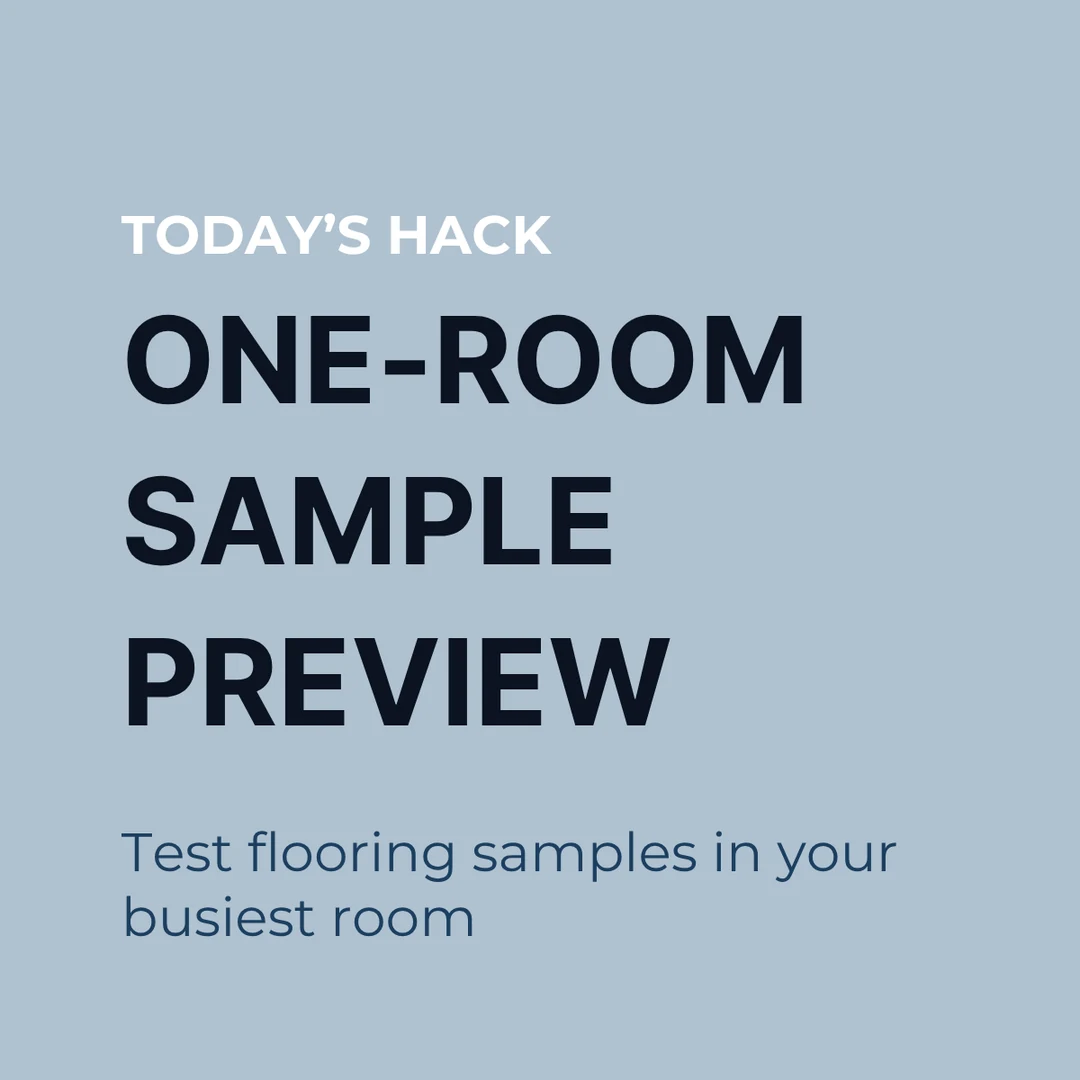
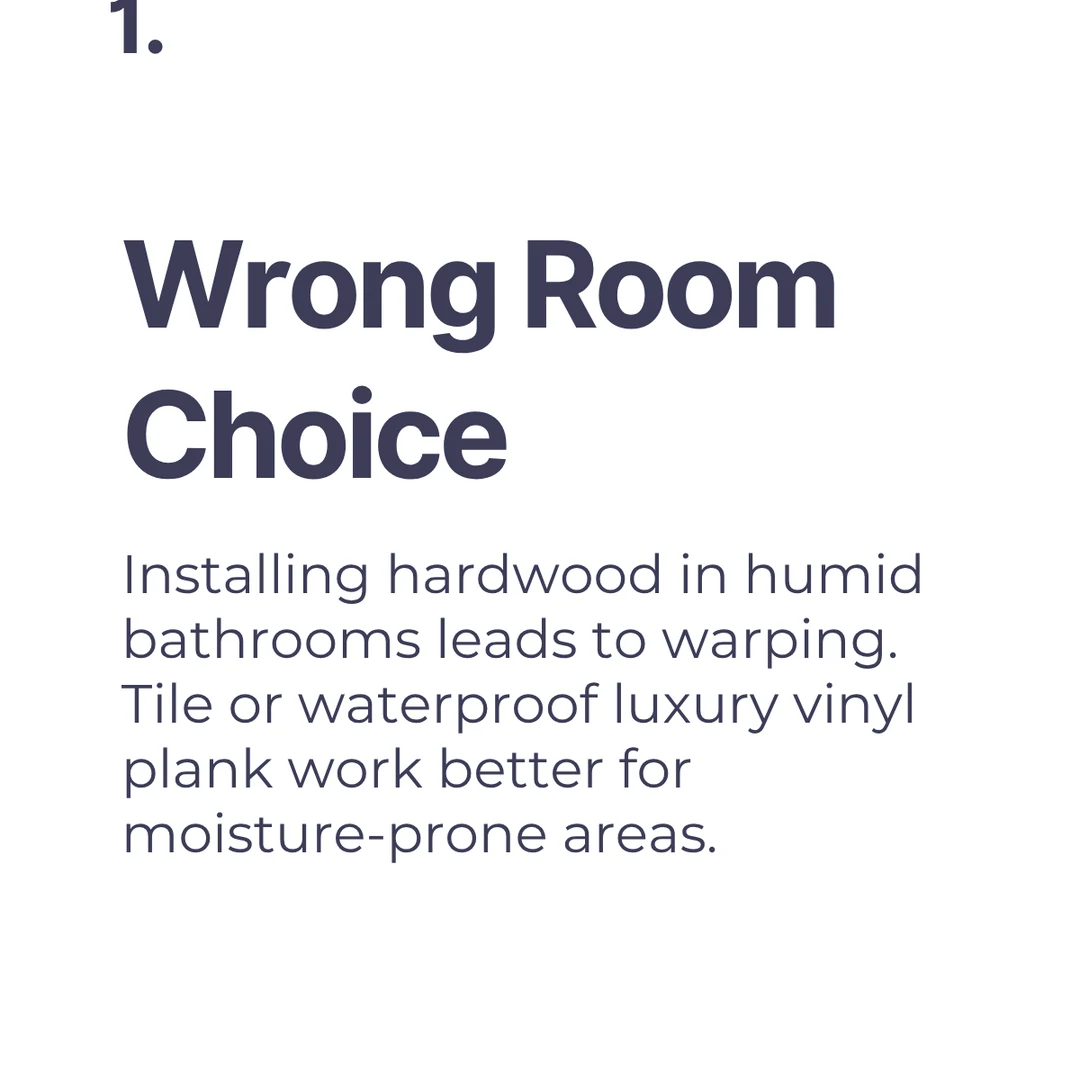

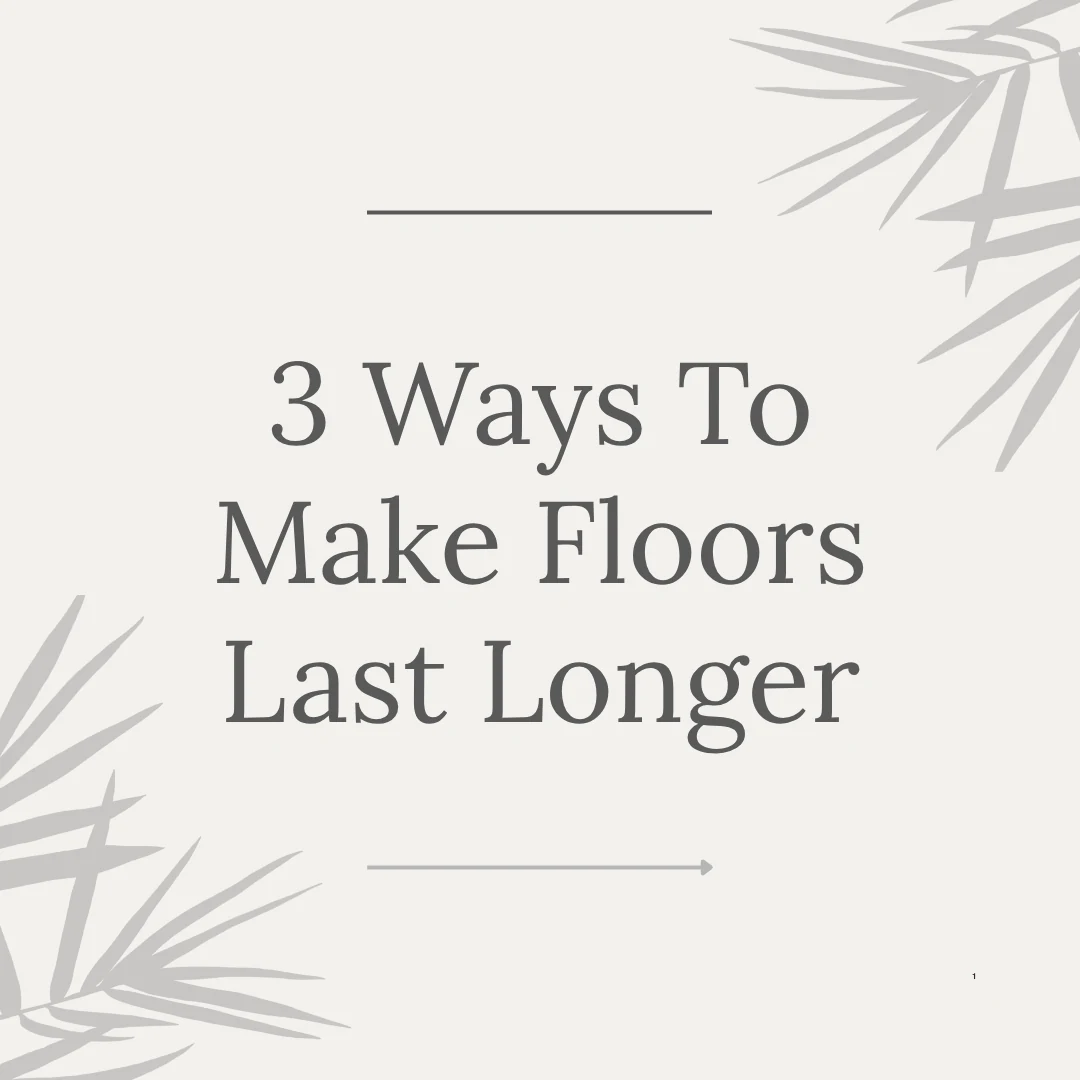
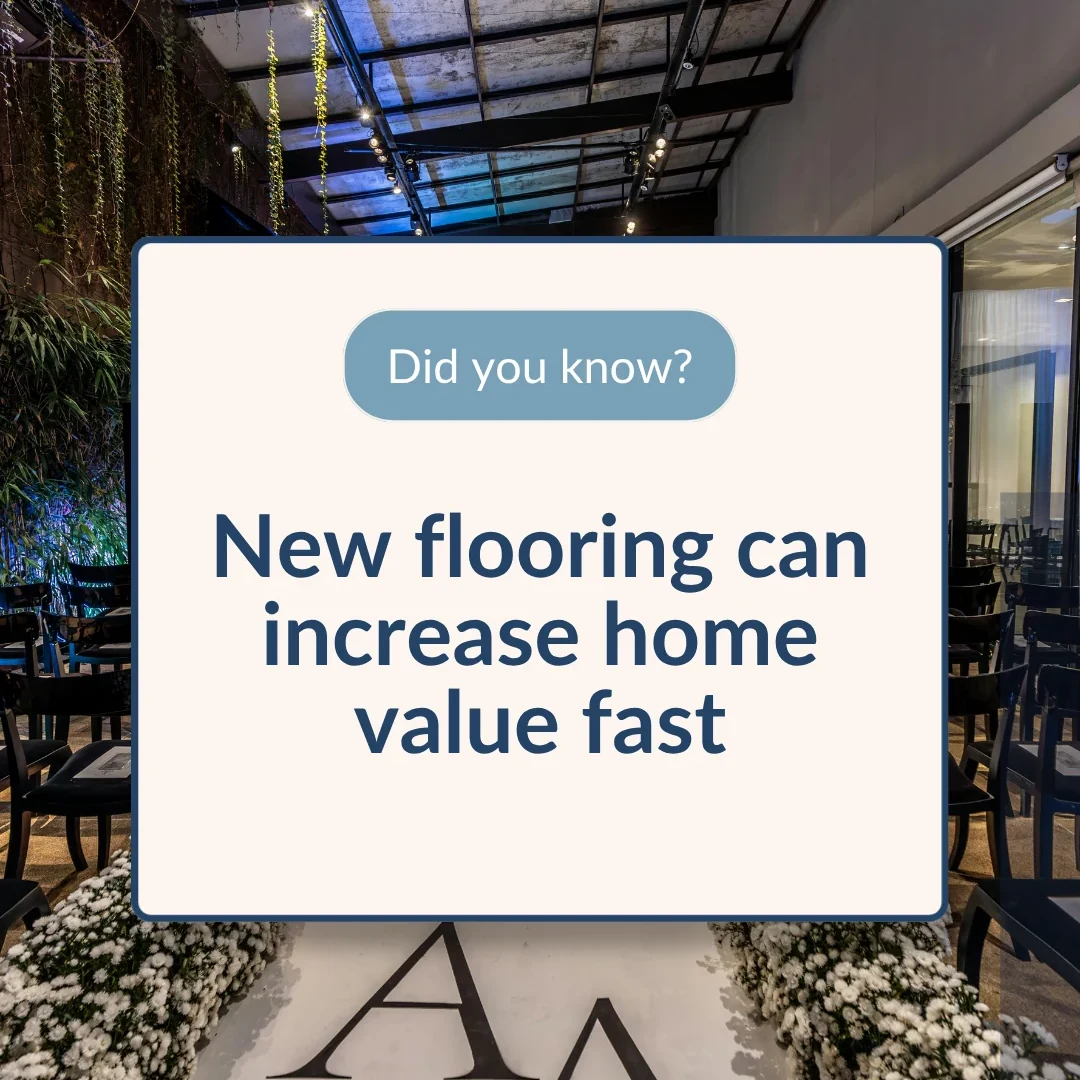
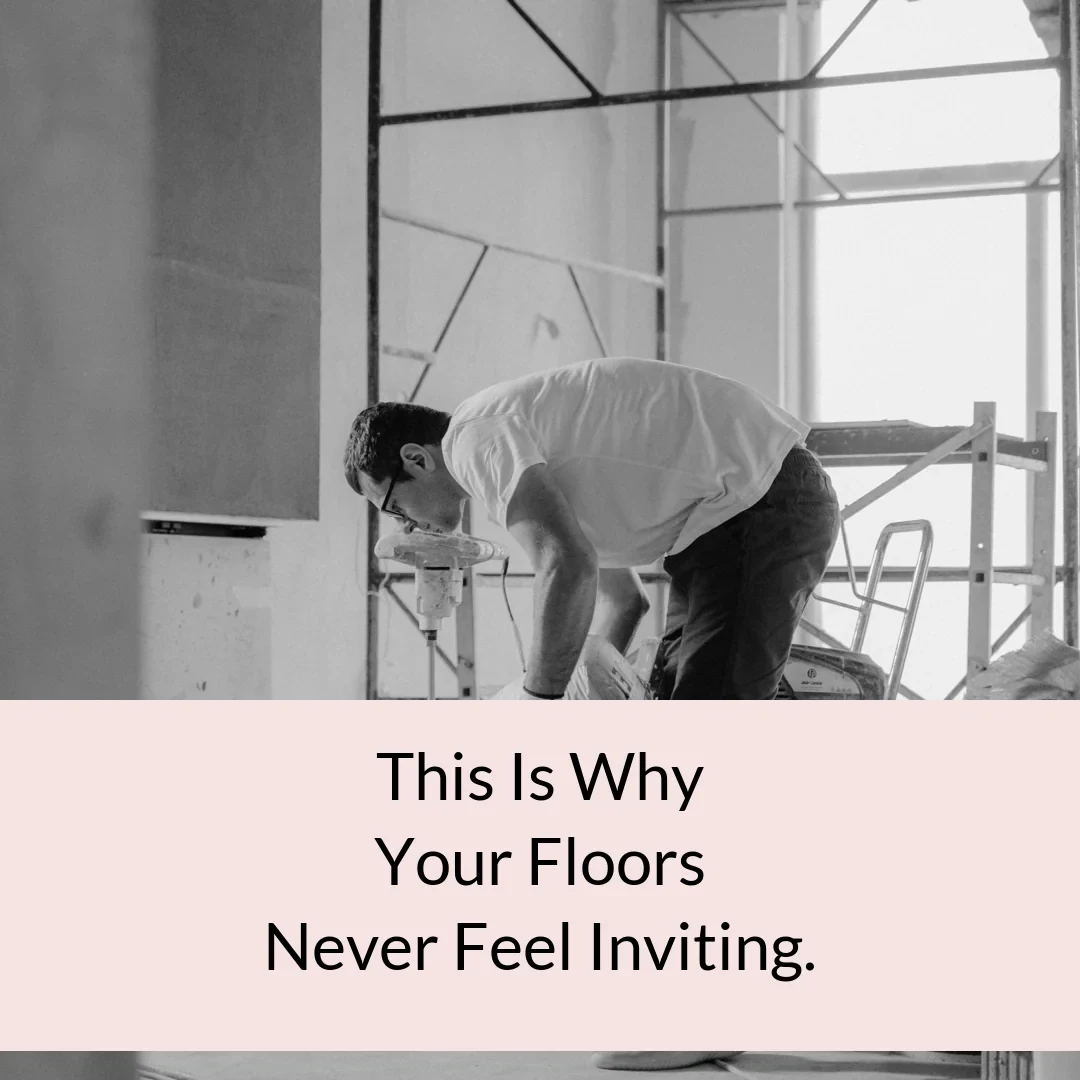
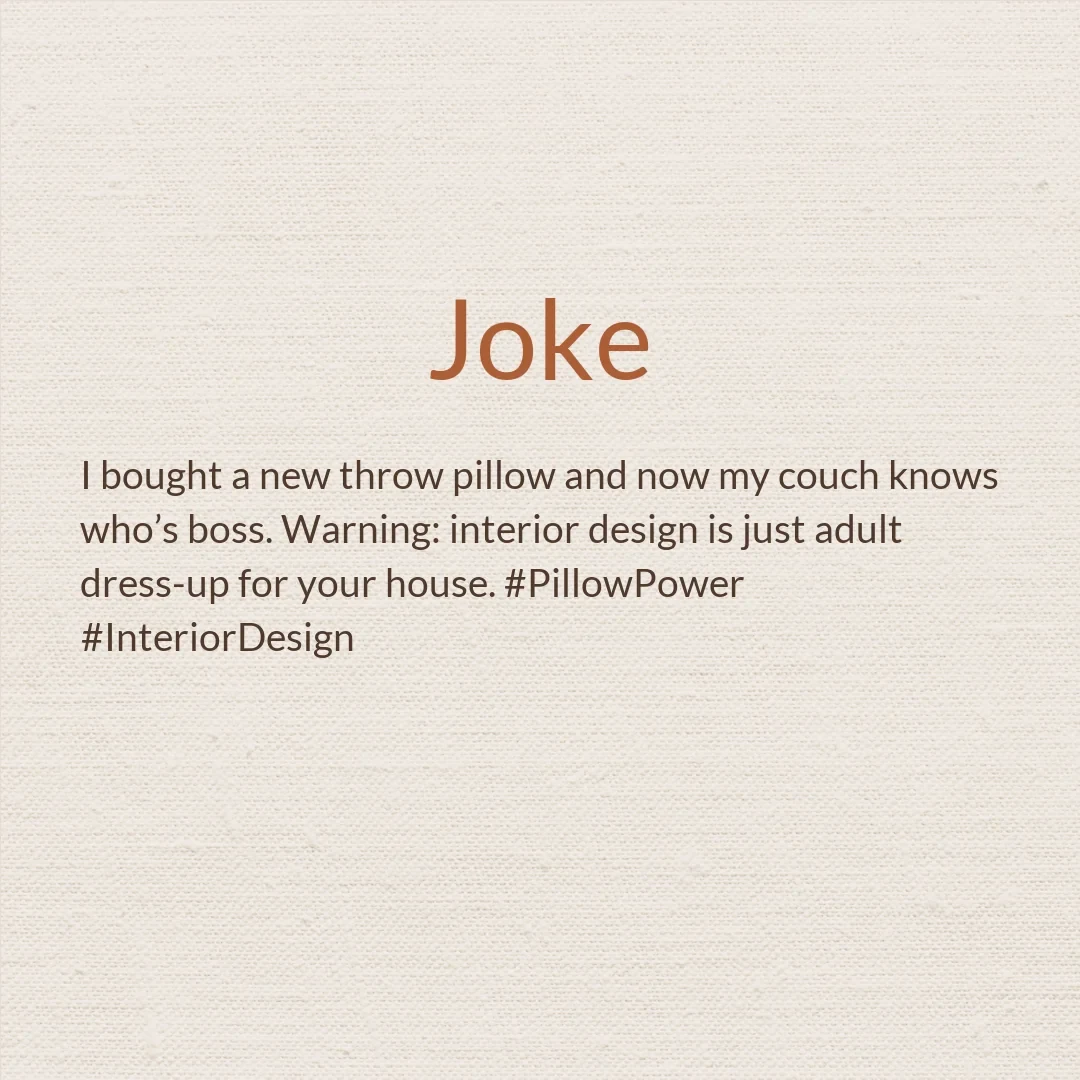
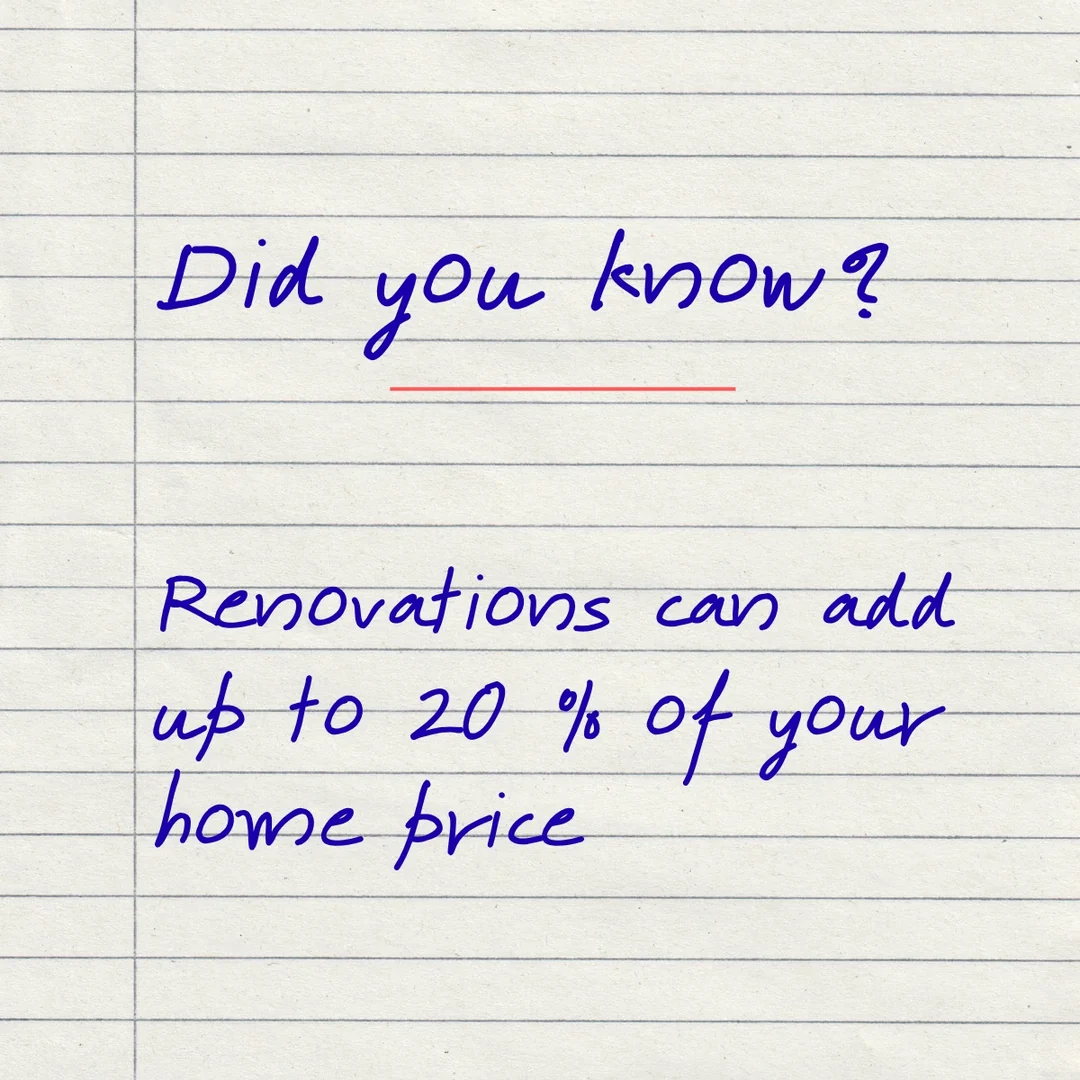
Real posts exported from Maxolot, none of them showing a face. Browse the post templates.
Faceless Instagram content is content that carries a business's message without showing the owner or staff on camera. It relies on text-led posts, carousels, quotes, facts, tips, questions and process shots instead of personal appearance. It is the default for service businesses with nothing visual to sell — accountants, consultants, software firms, virtual assistants — and for owners who prefer not to be recognised.
Replaces the faceText, design and demonstrated expertise
Strongest formatHow-to carousels
Trade-offSlower trust, higher consistency
ImageryOptional — text-only layouts work
CostFirst 10 posts free, no card
ForService & local businesses
Why businesses go faceless
There are four distinct reasons, and they are worth separating because they lead to different content.
You do not want to be on camera. This is the most common and the least discussed. Plenty of competent business owners find being filmed genuinely unpleasant, and no amount of encouragement changes that. Advice that treats this as a confidence problem to be overcome tends to produce a month of forced videos followed by silence.
There is nothing to photograph. A bookkeeper, a copywriter, a software company, a mortgage broker — the work happens on a screen and looks like nothing. This is a different problem from camera shyness, and it is the harder one, because it removes both the face and the product from the available material.
Privacy. Therapists, legal professionals, people in small towns, people with reasons not to be searchable. A business account that does not show its owner is often a deliberate boundary rather than a marketing choice.
The business is not one person. A team of eight has no obvious face, and picking one creates a dependency — when they leave, the account's identity leaves with them. Faceless content is a structural choice here rather than a personal one.
Which reason applies to you determines what to post. Camera-shy owners can still show their hands, their workspace and their process. A software company cannot, and has to lean almost entirely on text and design.
The honest trade-off
Most pages on this subject tell you faceless content performs just as well. That is not quite true, and pretending otherwise sets you up to conclude you are doing it wrong.
Faces do carry an advantage. People are unusually good at reading them, and seeing the person behind a business shortens the distance between stranger and customer in a way that a well-set-typography quote does not. If you show your face and you are reasonably at ease, you will generally build trust faster than an identical account that does not.
What is also true: that advantage is smaller than the advantage of posting at all. An account that publishes twice a week for a year without a face beats an account that published six videos in March and nothing since. Consistency is the variable that matters most for small businesses, and for a lot of owners the face is precisely what breaks consistency.
The second thing that is true: the advantage is largely about trust, and trust has other sources. Demonstrated expertise, specific and useful advice, visible results, reviews, and consistency over time all build it. Faceless content is not trust-free content — it just has to earn trust through what it says rather than who is saying it.
So the honest framing is this. Going faceless costs you something, and you buy back more than you spend if it is the difference between posting and not posting. Decide on that basis rather than on whether faceless content is "as good."
Nine faceless content formats
Everything below works without a camera pointed at anyone.
How-to carousels
The strongest faceless format there is. A sequence of slides walking through a process demonstrates expertise directly, gets saved, and needs no imagery beyond type and layout. If you only adopt one format, adopt this one.
Myth versus fact
Correcting something your customers commonly believe. It positions you as the person who knows, invites disagreement in the comments, and is naturally specific to your trade — which makes it hard to mistake for generic content.
Tips and hacks
Single, useful, immediately actionable. The bar is that a reader should be able to do something differently today. Vague encouragement fails; "run the tap for thirty seconds before you take a water sample" works.
Interesting facts
A number or a piece of history from your field. Facts travel well because they are shareable without endorsement — someone can repost it without vouching for you.
Quotes
The most overused faceless format, and the weakest by default. It works only when the quote is yours or from your field, and it fails when it is a generic motivational line that a thousand other accounts have posted.
Questions and AMAs
Text-led prompts that invite replies. These build relationship without appearance, which is exactly what faceless accounts need most, and the answers become future content.
Before and after
For trades, cleaning, landscaping, dentistry, renovation. The result is the proof, and no person needs to appear. This is the closest a faceless account gets to the trust advantage of a face.
Process and detail shots
Hands, tools, materials, screens, packaging. Not your face, but not stock either — this is the material that stops an account looking like it could belong to anyone.
Reviews and testimonials
Someone else's words as your content. It transfers trust without requiring you to claim anything about yourself, and it is the single most underused faceless format among small businesses.
Building trust without a face
Be specific enough that a competitor could not have posted it. This is the whole game. "Consistency is key" could come from any account on Instagram. "Most of the callouts we get in January are frozen condensate pipes, and you can usually fix it yourself with warm water" could only come from a heating engineer. Specificity is what replaces the face.
Show the work, not the worker. Hands on tools, a screen mid-task, materials laid out, the van, the workshop, the before-and-after. None of this requires your face and all of it proves a person is behind the account.
Use a real name and a real voice. Faceless does not mean anonymous. Signing posts, writing in the first person and saying "I" rather than "we" when you are one person all close the distance considerably at no personal exposure.
Answer questions in public. Replying properly to comments and questions is visible expertise. A faceless account with a comment section full of real answers reads as more trustworthy than a polished one with no interaction.
Publish results. Reviews, outcomes, numbers, photographs of finished work. Evidence does the job that a reassuring face would otherwise do.
Be consistent in appearance. If people cannot recognise you by face, they need to recognise you by design. Which is the next section.
Faceless content by industry
Accountants and bookkeepers
Deadlines, allowances, common filing mistakes, what a specific expense actually means. The calendar gives you a content schedule for free — every tax date is a post that is useful in the fortnight before it.
Software and SaaS
Screens, feature explanations, comparisons, and the problem your product solves described from the customer's side. Nothing physical exists, so the writing carries all of it.
Trades and construction
Before and after, process shots, cost breakdowns, and myth-busting about what a job should cost. You have the most photogenic faceless material of any sector and it is routinely underused.
Therapists and counsellors
Text-led education about the thing people are experiencing, kept general and non-clinical. Privacy is a professional requirement here, so faceless is the norm rather than a compromise.
Legal services
Explaining rights, deadlines and processes in plain language. A single clear post about what a tenant can actually do outperforms a year of firm announcements.
Virtual assistants and freelancers
Process, tooling, and the specific problems you take off a client's plate. Screenshots of workflows are more convincing than any photograph of you at a laptop.
Design carries the weight now
Consistency is recognition
On an account with a face, people recognise you instantly in a crowded feed. Remove the face and that recognition has to come from somewhere else — which in practice means one design collection, one palette and one set of fonts, used every time.
The most common faceless mistake is variety. A different template each week, chosen because it looked nice, produces a feed that reads as a stock library rather than a business. Pick a collection, apply your brand colours, and then stop changing it for at least three months.
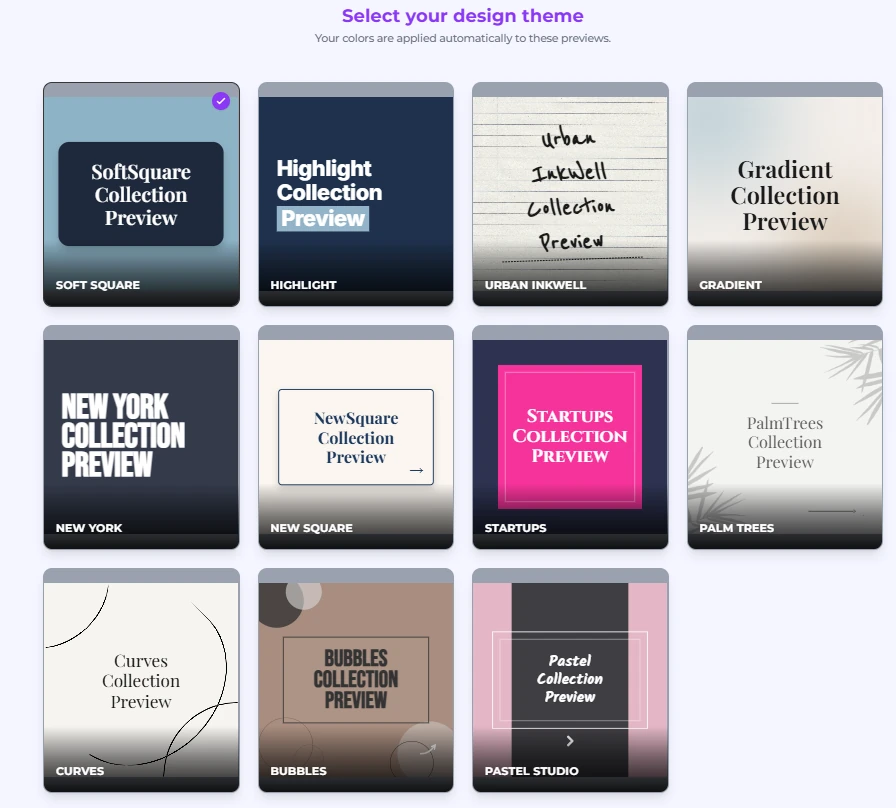
Maxolot's design collections — Soft Square, Highlight, Urban Inkwell, Gradient, New York, Startups, Palm Trees, Curves, Bubbles and Pastel Studio among them — are built as sets, so posts generated across weeks stay visually related rather than each being its own island.
Typography does the work a face would
In a text-led post, type size is hierarchy and hierarchy is meaning. The one line that matters should be unmistakably the largest thing on the slide, readable at the size a thumbnail appears in a feed. Everything else is support.
Two fonts is the ceiling. Three is where a slide starts to look assembled rather than designed. And contrast matters more than palette — light grey text on a mid-tone photograph disappears entirely on a phone in daylight, which is where most of your audience is reading.
Where a photograph sits behind text, it needs to be quiet. Busy imagery and readable type are close to mutually exclusive.
What to do when you have no photos
This is the practical blocker for most faceless accounts. You have decided what to say and have nothing to put behind it.
Text-only layouts are a legitimate answer. A well-set slide with no photograph at all reads as deliberate, not empty — provided the typography is doing real work. Most of the strongest faceless posts have no imagery whatsoever.
Photograph the periphery. You have more than you think: tools, materials, your desk, packaging, the van, the doorway, a screen mid-task, paperwork, ingredients. None of it includes a person and all of it is genuinely yours, which matters more than production quality.
Stock is acceptable but generic. The same twenty images circulate across every small business account in a sector, and customers do notice. If you use stock, choose images that are quiet enough to sit behind text, and never use stock of people pretending to be your team.
Generated imagery is now the practical default for businesses with nothing to shoot. Maxolot sources or generates the imagery as part of the post rather than leaving you to hunt for it, which removes the step where most people give up.
One rule regardless of source: the image serves the text. If the picture is the point and the words are decoration, a faceless account has usually lost the thing that was working for it.
Faceless Reels and Stories
Video is where most faceless accounts assume they are excluded. They are not — they just cannot use the talking-head format that dominates the advice.
Hands and process. A camera on a bench, pointed down, recording the work. Cutting, mixing, assembling, wiring, sanding, plating. This is the single most reliable faceless video format and it needs no editing skill beyond trimming the start and end.
Screen recordings. For anyone whose work happens on a computer, a screen recording with text captions does everything a talking head would. A bookkeeper showing where a figure actually goes is more useful than a bookkeeper describing it to camera.
Text-on-screen with b-roll. The words carry the message and the footage is atmosphere — the van pulling up, the door opening, the room before and after. Read as intentional rather than evasive, provided the writing is good.
Voice without face. A voiceover over process footage keeps the human element that faceless content otherwise loses, and many people who dislike being filmed are entirely comfortable being heard. Worth trying before ruling video out.
One caution: captions are not optional. A large share of Instagram video is watched with the sound off, and a faceless video with no on-screen text is a video with no message.
Five mistakes that make faceless content look generic
1. Posting advice anyone could give. If the post would be equally true for a florist and a fintech, it is not content, it is filler. The test is whether a competitor could repost it unchanged.
2. Changing the design every week. Recognition is the only thing standing in for a face. Variety destroys it. One collection, applied consistently, for months.
3. Motivational quotes with no connection to the business. A quote about perseverance from a plumbing account is a wasted post. If you post quotes, make them about your field or make them yours.
4. Writing as "we" when you are one person. Corporate voice from a sole trader adds distance you cannot afford when you have already removed your face. First person is warmer and costs nothing.
5. Never replying. A faceless account that also does not interact has removed every human signal available to it. The comment section is where a faceless business becomes a person.
Staying consistent
Faceless content removes the hardest part of posting for a lot of people, but it does not remove the second-hardest: deciding what to say each week. That is where most accounts stall, and it stalls them quietly — not with a decision to stop, but with a fortnight of meaning to post something.
Work in batches rather than daily. An hour producing six posts is far more sustainable than ten minutes of deciding, every day, what today's post should be. The decision is the expensive part, not the making.
Rotate formats deliberately. A rough sequence of tip, myth, before-and-after, question, review, how-to gives you six weeks without repeating yourself, and you can run that rotation indefinitely with new specifics each time.
Twice a week, sustained, beats daily for a month. Pick a frequency you could still hit in your busiest month and treat that as the ceiling, not the floor.
Generating faceless posts with Maxolot
Describe your business
Industry, what you sell, who buys it. Entered once and reused for everything afterwards.
Choose a topic, not a prompt
Topics sit under four pillars — educational content, entertain and engage, product and service, and about your business. You pick, you do not write a prompt.
Pick one design collection
Then keep using it. Consistency across posts is what recognition depends on when there is no face.
Edit, regenerate, download
Reword anything, regenerate for a different angle, then export with no watermark and no Maxolot branding.
Questions
Frequently asked questions
Can a faceless Instagram account actually grow?
Yes, and many do. What faceless accounts trade away is the speed at which strangers come to trust them, and what they gain is the ability to keep posting. For most small businesses, consistency matters more than the face — but it is worth being clear that the trade exists rather than pretending it does not.
What should I post if I have nothing to photograph?
Text-led formats: how-to carousels, myth versus fact, tips, interesting facts, questions and reviews. These need typography and layout rather than imagery. Beyond that, photograph the periphery — tools, materials, your desk, packaging, a screen mid-task.
Is faceless content the same as anonymous?
No. Faceless means you do not appear on camera; anonymous means nobody knows who you are. Using your real name, writing in the first person and signing your posts costs you no privacy and closes most of the distance a missing face creates.
Which faceless format works best?
How-to carousels, for most businesses. They demonstrate expertise directly, get saved and reshared, and require nothing but text and layout. Before-and-after is stronger where you have a visible result to show.
Do I need stock photos?
Not necessarily. Text-only layouts are a legitimate choice and many of the strongest faceless posts have no imagery at all. If you do use stock, choose quiet images that sit behind text and avoid pictures of people posing as your team.
How often should a faceless account post?
Twice a week, sustained, beats daily for a month and then nothing. Choose a frequency you could still hit during your busiest period.
Should I use one design style or vary it?
One. Design consistency is what replaces facial recognition — it is how people spot you in a feed. Pick a collection, apply your brand colours, and leave it alone for at least three months.
Is faceless content free with Maxolot?
The first 10 posts are free, no credit card is required, and downloads carry no Maxolot watermark or branding.
Can I show my hands or workspace and still call it faceless?
Yes, and you should. Hands, tools and process shots are among the most effective faceless material because they prove a real person is behind the account without any personal exposure.
What is the biggest mistake faceless accounts make?
Posting advice that any competitor could have posted. Specificity is what replaces the face — content that could only have come from your trade, in your area, with your experience.
No camera. No blank page.
Text-led Instagram posts written for your business and designed to look like they belong together.
Try for free 10 free posts · No credit card · No watermark