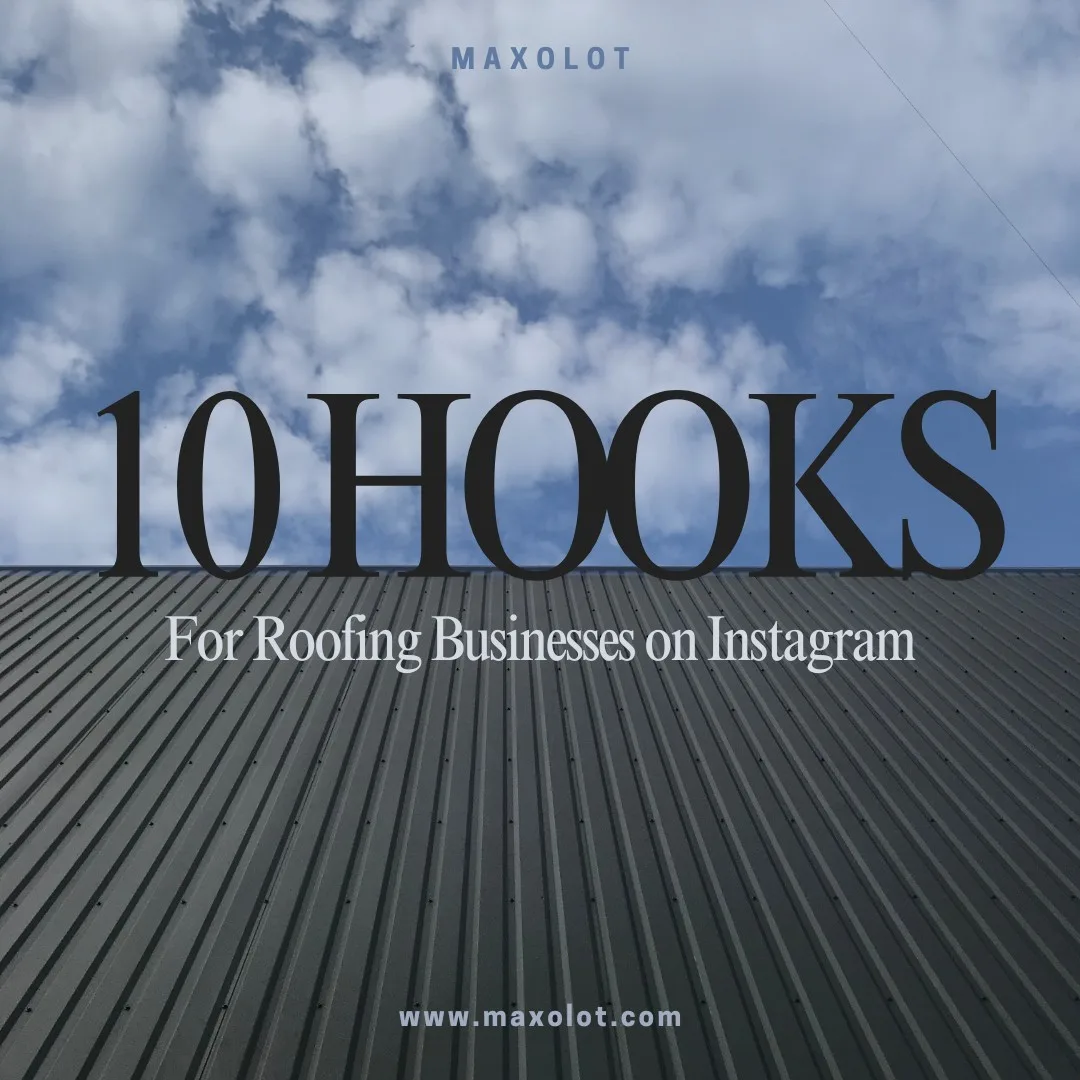
Quick answer: The strongest roofing Instagram hooks name a specific pain point, stay under about 125 characters so they don't get truncated, and end with an implied benefit rather than a sales pitch. Three ready-to-use examples: "Is your roof ready for the next storm? Here's what to check.", "Don't ignore these 3 signs your roof needs repair.", and "From worn-out to weatherproof, see the transformation." All 10 examples, with notes on when to use each, are below.
Key Takeaways
- Roofing is a trust-driven, urgency-driven service, so hooks that name a specific problem (storm damage, leaks, an aging roof) consistently outperform generic ones.
- Instagram truncates captions around 125 characters, so the hook needs to land before the "more" cutoff, not after it.
- Local references ("Seattle homeowners: is your roof ready for winter?") boost relevance for a business with a defined service area.
- Pairing a hook with a before-and-after photo is one of the highest-converting combinations for home service businesses on Instagram.
- A 2-3 posts/week cadence is a realistic, sustainable baseline; consistency matters more than volume.
- Claims-related hooks ("should you file an insurance claim?") tap directly into what a storm-anxious homeowner is already searching for.
Pick "Roofing" as your industry and Maxolot writes the hooks for you — no prompt required. 10 free posts · No credit card · No watermark.
10 Instagram Hook Examples for Roofing Businesses
These 10 cover the situations a roofing business actually posts about: storms, insurance claims, longevity, before-and-afters, and trust-building. Swap in your city, timeline, or specific service to make each one yours rather than copying it word for word.
Is your roof ready for the next storm? Here's what to check. Timely, urgency-driven opener for pre-season posts. Don't ignore these 3 signs your roof needs repair. A list hook that promises a quick, scannable payoff. How we saved a family from costly water damage last week. A real-outcome story hook that builds trust. Seattle homeowners: is your roof ready for winter? Locally targeted version that boosts relevance for a defined service area. Want a roof that lasts 30+ years? Here's the secret. A longevity/value hook for material and product education posts. From worn-out to weatherproof, see the transformation. Pairs naturally with a before-and-after photo. 3 shingles displaced after a storm: should you file an insurance claim? A claims-specific hook, matches the example graphic below, meets a storm-anxious homeowner exactly where they are. Here's how we helped the Johnson family avoid a costly leak. A specific customer story that reads as credible, not generic. Storm damage checklist: what your insurance adjuster will actually look for. Positions you as the expert on the claims process before the adjuster even shows up. 5 roofing myths that are costing homeowners thousands. A curiosity/list hook built for shares and saves. 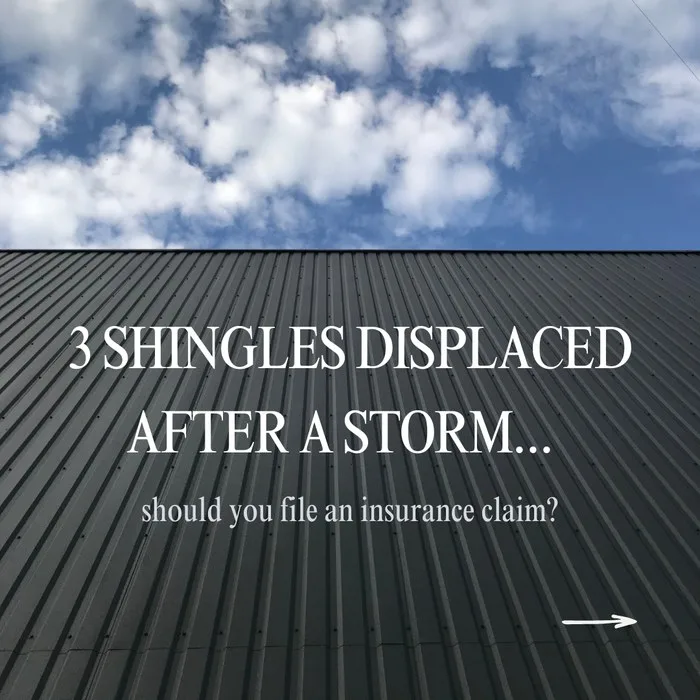
A hook like this works because it names a specific, verifiable detail (3 shingles) and ends on a genuine question the reader wants answered, not just a sales pitch.
| Hook type | Best used for | Example |
|---|---|---|
| Storm/season | Timely posts around weather events | "Is your roof ready for the next storm?" |
| Longevity/value | Material and product education | "Want a roof that lasts 30+ years?" |
| Before/after | Project showcase posts | "From worn-out to weatherproof." |
| Trust/expertise | Building credibility, real-outcome stories | "How we saved a family from costly water damage." |
| Curiosity/list | Educational, shareable content | "5 roofing myths costing homeowners thousands." |
| Insurance/claims | Storm-damage and claims-anxious homeowners | "Should you file an insurance claim?" |
Why Instagram Hooks Matter for Roofing Businesses
An Instagram hook is the first few words of your caption or story, the part that shows before someone taps "more." Think of it as the headline of a news article or the opening line of a book. If it's weak, people scroll past without a second thought, no matter how good the photo underneath it is.
Hooks carry extra weight for roofing specifically, for three reasons. Roofing is a niche, high-trust service where people are handing over a major home repair decision to a stranger. Roofing problems are often urgent (a leak, storm damage) rather than optional, so hooks that speak to that urgency get more attention than lifestyle-style content. And visuals alone can only do so much: a great photo of a finished roof still needs a caption to explain why it matters to the person scrolling past it.
A strong hook increases likes, comments, shares, and, more importantly, direct message inquiries. It sets the tone for the whole post and gives your audience a reason to keep reading instead of moving on.
The 5-Step Formula for Writing Roofing Hooks That Work
Writing hooks that convert takes a bit of creativity, but it follows a repeatable pattern. Use this five-step formula as a checklist for every caption:
- Start with a question or bold statement. Questions engage the reader's mind directly; bold statements create intrigue and stop the scroll.
- Address a specific pain point or desire. Think about what your audience actually worries about (a leak before winter) or wants (a roof that lasts decades), and name it directly.
- Keep it short and punchy. Instagram users scroll fast and captions get cut off around 125 characters, so your hook needs to be readable at a glance.
- Use action words and emotional triggers. Words like save, protect, avoid, and discover motivate people to keep reading and, eventually, to act.
- Include a number or a list when you can. "3 signs" and "5 myths" promise a clear, scannable takeaway, which people are more likely to tap "more" for.
If writing five new hooks a week isn't realistic for your crew, an AI Instagram post generator like Maxolot can apply this same formula automatically, pairing a hook with a matching design and caption from a content category instead of a blank prompt box.
Free to try, no credit card, ready in under a minute.
Practical Tips for Roofing Business Hooks
Before you start writing, it helps to see what's already working. Browsing more Instagram hook examples across different industries can spark variations you wouldn't think of from a blank page. A few other things to keep in mind:
- Use local references if you serve a specific area. "Seattle homeowners: is your roof ready for winter?" beats a generic version because it signals relevance immediately.
- Highlight benefits, not just features. Instead of "We use metal roofing," try "Metal roofs that protect your home for decades."
- Use emojis sparingly. One or two relevant emojis add personality; a hook buried in emojis reads as less credible for a trust-driven service.
- Test and track. Try different hook types across a few weeks and note which ones actually drive comments and DMs, not just likes.
Pairing Hooks With Visuals That Convert
A great hook is only half the post. Pairing it with the right image or video makes the combination far stronger, and for roofing, a few formats consistently perform well: before-and-after photos of repairs, time-lapse videos of installations, close-ups of materials and tools, and shots of your crew actually on a roof.
Make sure the hook complements the image rather than repeating it. If you're posting a before-and-after photo, a hook like "From worn-out to weatherproof, see the transformation" gives the viewer a reason to look closer instead of just scrolling past a photo they've seen versions of a hundred times.

Using Hooks to Build Trust, Not Just Clicks
Trust is everything in roofing, since people are hiring someone to work on one of their largest assets. Hooks can build that trust in three specific ways: sharing quick tips that demonstrate expertise ("3 easy ways to spot roof damage before it gets worse"), highlighting real customer outcomes ("Here's how we helped the Johnson family avoid a costly leak"), and offering free, genuinely useful resources ("Download our free roof maintenance checklist").
Consistently providing value like this, rather than only posting sales pitches, is what turns an Instagram account into a trusted local resource instead of just another feed people scroll past. It's also exactly the kind of content Maxolot's hook generator is built to produce automatically, pairing a hook, a matching design, and a caption in one step so your crew isn't writing captions between jobs.
Keeping Your Audience Engaged Over Time
Engagement doesn't stop after one good post. To keep followers interested over the long run: post regularly but don't overwhelm your feed (2-3 times a week is a realistic, sustainable start), use Instagram Stories for behind-the-scenes content between full posts, respond to comments and DMs promptly since inquiries often start there, run occasional polls or questions to encourage interaction, and share milestones or company news to keep the account feeling active and human.
Building a loyal local following takes time. Stay consistent, keep the content honest and specific to the work you actually do, and keep refining your hooks based on what your audience responds to.
Frequently Asked Questions
What makes a good Instagram hook for a roofing business?
How long should an Instagram hook be?
How often should a roofing business post on Instagram?
Should roofing hooks mention a specific city or neighborhood?
Do before-and-after photos actually help roofing posts perform better?
Can I use emojis in a roofing business Instagram hook?
What's an easy way to generate roofing Instagram hooks without writing them from scratch every time?
Should I write a different hook for every post, or reuse ones that work?
10 posts free, no credit card. Generate your first roofing Instagram post in under a minute.
Final Verdict
Crafting engaging Instagram hooks for a roofing business is a skill that pays off directly in visibility and trust. Focus on clear, specific language that addresses what your audience actually worries about, keep hooks short enough to read at a glance, and pair every hook with a visual that backs it up. If writing a fresh hook for every post isn't realistic between jobs, Maxolot generates the hook, the on-post text, and a matching design together from a content category, no prompt required, so your feed stays consistent without eating into your week.
Hook examples are illustrative starting points, not guaranteed results; actual engagement depends on your account, audience, and local market.